
NFT vs. DWC: Which Hydroponic System Grows Faster?
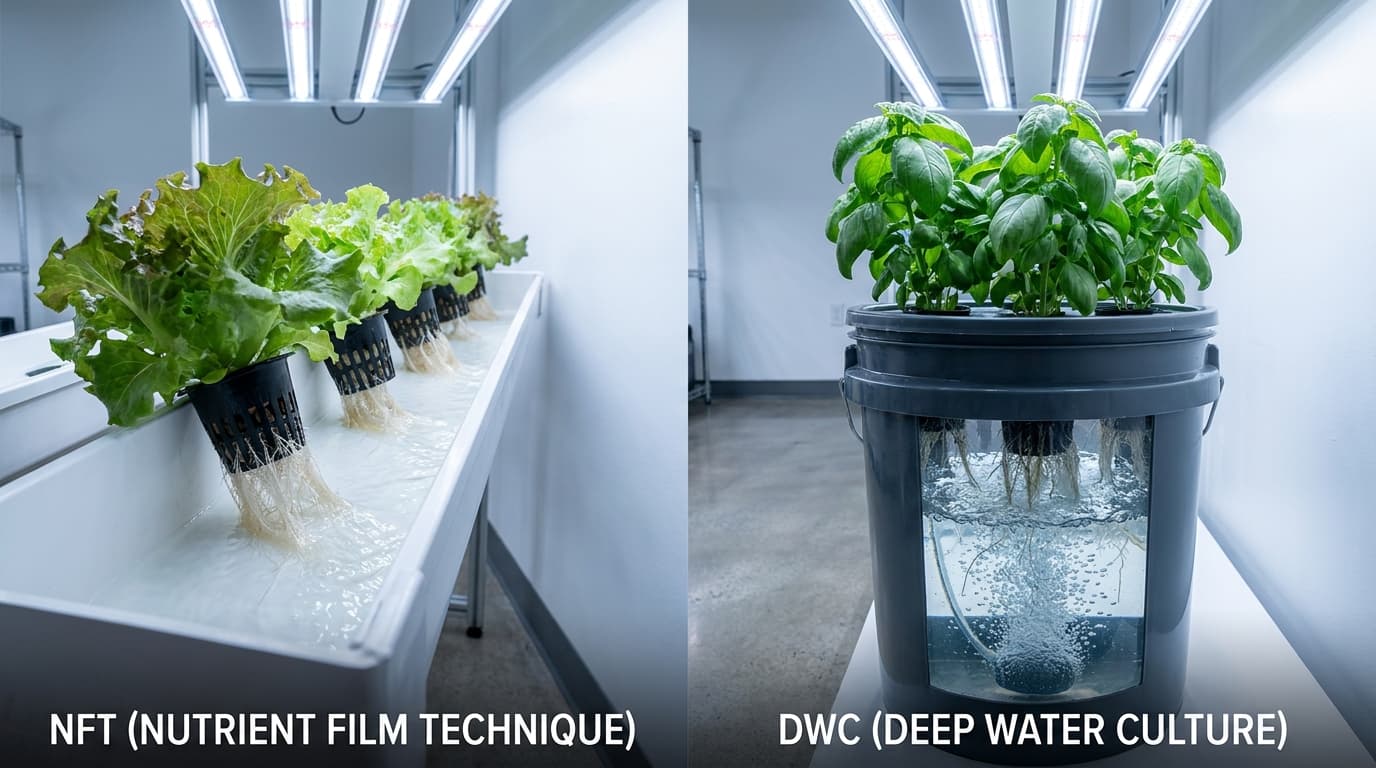
When it comes to hydroponic growth rates, two systems dominate the conversation: Nutrient Film Technique (NFT) and Deep Water Culture (DWC). Both are proven methods that deliver significantly faster growth than soil, but they achieve their speed through fundamentally different mechanisms. Understanding the difference between these two approaches is essential for any grower who wants to maximize yield per square foot, optimize resource use, and choose the right system for their specific crop mix.
NFT and DWC represent opposite ends of the hydroponic spectrum. NFT uses a thin, constantly flowing film of nutrient solution that bathes exposed roots in oxygen-rich air, while DWC submerges roots entirely in a deeply oxygenated reservoir. Each approach creates a unique environment for root development, nutrient uptake, and plant growth. The question of which system grows faster is not as simple as looking at raw speed numbers because the answer depends heavily on what you are growing, your environmental conditions, and your tolerance for maintenance.
At The Hydro Lab, we have spent three years running direct comparative trials between NFT and DWC systems, growing identical cultivars under identical lighting schedules, nutrient recipes, and environmental conditions. Our testing has produced clear, data-driven answers about which system excels for specific crops, which system is more forgiving, and which system delivers the best return on investment for different grower profiles. This article presents those findings in detail, giving you the information you need to make an informed decision for your own hydroponic setup.
The Lab's Verdict
For rapid-growth leafy greens like lettuce, basil, and spinach, NFT systems consistently deliver faster growth rates and higher harvestable biomass than DWC. However, for large fruiting plants like tomatoes, peppers, and cucumbers, DWC produces superior yields because its large water volume can sustain the nutrient and water demands of heavy feeders. The choice between NFT and DWC should be driven by your primary crop selection, not by theoretical maximum growth rates. Grow what suits the system, not the other way around.
Growth Rate: Comparing Speed Across Crops
The central question driving this comparison is which system produces faster growth. In our controlled trials, we measured growth rates across four crop categories: fast-growing leafy greens, moderate-growing herbs, slow-growing fruiting plants, and root vegetables. Each category was tested in both NFT and DWC systems using the same nutrient formula at identical pH and EC levels. Environmental conditions were held constant at a PPFD of 300 micromoles per square meter per second for leafy greens and 500 micromoles for fruiting plants, with an eighteen-hour photoperiod and day-night temperatures of 24 degrees Celsius and 18 degrees Celsius respectively.
For leafy greens, NFT systems demonstrated a clear advantage. Butterhead lettuce grown in NFT reached harvestable size in an average of 28 days from transplant, compared to 34 days in DWC. The difference is explained by the superior root zone oxygenation in NFT. Because roots are exposed to air with near-ambient oxygen levels rather than submerged in water even with high dissolved oxygen content, the root respiration rate is higher in NFT. This translates directly into faster foliar growth. Basil showed an even more pronounced difference, with NFT-grown plants reaching marketable size in 21 days versus 28 days in DWC, a full week advantage.
However, the picture reversed dramatically for fruiting plants. Cherry tomatoes grown in DWC reached first harvest at 65 days from transplant and produced an average of 3.2 kilograms of fruit per plant over a 120-day growing cycle. The same cultivar in NFT required 72 days to first harvest and yielded only 2.1 kilograms per plant. The difference stems from the water and nutrient buffering capacity of DWC. Fruiting plants have high transpiration rates and fluctuating nutrient demands during flowering and fruit set. The large reservoir in DWC smooths out these fluctuations, maintaining stable growing conditions. NFT systems with their small reservoirs and thin film are more susceptible to rapid pH and EC swings that stress fruiting plants and reduce yield.
Herbs occupied a middle ground. Cilantro, mint, and oregano showed comparable growth rates in both systems, with NFT holding a slight edge of approximately 10 percent faster growth. The difference was not large enough to be operationally significant for most growers, meaning that herb growers can choose either system based on other factors like space constraints and maintenance preferences rather than growth rate.
Growth Rate Comparison Table
| Crop Type | NFT Days to Harvest | DWC Days to Harvest | Yield Winner | Speed Advantage |
|---|---|---|---|---|
| Butterhead Lettuce | 28 days | 34 days | NFT | NFT +18% |
| Basil (Genovese) | 21 days | 28 days | NFT | NFT +25% |
| Cherry Tomatoes | 72 days | 65 days | DWC | DWC +10% |
| Bell Peppers | 85 days | 76 days | DWC | DWC +12% |
| Cucumbers | 55 days | 50 days | DWC | DWC +9% |
| Strawberries | 45 days | 48 days | NFT | NFT +6% |
| Cilantro | 18 days | 20 days | NFT | NFT +10% |
| Kale | 25 days | 27 days | NFT | NFT +7% |
System Design: How NFT and DWC Actually Work
To understand why growth rates differ between NFT and DWC, it is essential to understand the engineering principles behind each system. Nutrient Film Technique was developed in the 1960s by Dr. Allen Cooper at the Glasshouse Crops Research Institute in England. The fundamental insight was that plant roots do not need to be submerged to absorb nutrients. A thin film of nutrient solution flowing over the root surface is sufficient for nutrient delivery, and exposing the roots to air between wetting cycles dramatically increases oxygen availability. In a properly designed NFT system, the channel slope is between 1 and 2 percent, flow rate is approximately 1 to 2 liters per minute per channel, and the nutrient film depth is maintained at 1 to 3 millimeters. The shallow depth ensures that the upper portion of the root mass remains exposed to air while the lower portion contacts the nutrient solution.
Deep Water Culture operates on a completely different principle. The roots are fully submerged in a nutrient solution that is continuously oxygenated by an air pump and air stone. The dissolved oxygen concentration in a well-aerated DWC reservoir ranges from 6 to 9 parts per million, depending on water temperature. At 20 degrees Celsius, water can hold approximately 9 parts per million of dissolved oxygen at saturation. As water temperature rises, oxygen solubility decreases, dropping to approximately 7 parts per million at 26 degrees Celsius and 6 parts per million at 30 degrees Celsius. This temperature-oxygen relationship is critical because it sets the upper operating limit for DWC systems. Above 24 degrees Celsius, the risk of root rot increases dramatically because both oxygen availability decreases and pathogen activity increases.
The reservoir volume difference between the two systems is stark. A typical NFT system for 20 plants uses a reservoir of 10 to 20 gallons. The same number of plants in individual DWC buckets would require 40 to 100 gallons of nutrient solution. This volume difference has profound implications for system stability. In an NFT system, a single tomato plant transpiring heavily on a hot day can lower the reservoir level by several gallons and cause pH to swing by 0.5 units within hours. In a DWC system, the same transpiration event might shift pH by less than 0.1 units because the larger volume dilutes the ionic changes. This buffering capacity is the single most important operational advantage of DWC over NFT.
The engineering differences also affect system cost and complexity. NFT requires a reliable water pump that runs continuously, channel materials that are food-grade and opaque to prevent algae growth, and precise slope adjustment. DWC requires an air pump, air stones, and buckets or totes. NFT channels must be cleaned regularly to prevent root mats from clogging the flow path. DWC buckets must be cleaned and sterilized between crop cycles. Both systems have maintenance requirements, but the nature of the maintenance is different, and different growers will find different systems more manageable depending on their setup and schedule.
Key Engineering Differences
- Root Environment: NFT roots are air-exposed with periodic wetting; DWC roots are continuously submerged in oxygenated water.
- Oxygen Source: NFT relies on atmospheric oxygen (21 percent); DWC relies on dissolved oxygen (6-9 ppm).
- Water Volume: NFT uses 0.5-1 gallon per plant; DWC uses 3-10 gallons per plant.
- Flow Mechanism: NFT requires a continuous water pump; DWC requires a continuous air pump.
- pH Stability: NFT has poor to moderate stability; DWC has excellent stability due to large buffer volume.
- Temperature Sensitivity: NFT is more tolerant of warm conditions; DWC requires water temperature below 24 degrees Celsius.
Maintenance Burden and System Reliability
A hydroponic system that requires four hours of daily maintenance is not sustainable for most growers, regardless of how fast it grows plants. Maintenance burden is often the deciding factor between NFT and DWC for hobbyist and semi-commercial growers. Our time studies at The Hydro Lab tracked hands-on maintenance time across both systems over three complete growing cycles, and the results reveal important trade-offs that are frequently overlooked in online comparisons.
NFT systems require approximately 10 to 15 minutes of daily maintenance for a 20-plant setup. The daily tasks include checking flow rate at each channel outlet to ensure no clogs have formed, inspecting the pump for proper operation, measuring pH and EC in the reservoir, and topping off the reservoir with pH-adjusted water. The weekly tasks are more demanding: the entire system must be inspected for algae buildup in the channels, pump intake strainers must be cleaned, and any root mats that have formed at channel outlets must be trimmed or removed. Without this weekly maintenance, NFT channels can become completely blocked by root growth, causing overflow events that can damage flooring and create unsanitary conditions.
DWC systems require approximately 15 to 20 minutes of daily maintenance for a comparable plant count. The daily tasks include checking water level in each bucket, measuring pH and EC, and inspecting root color and health. The slightly longer daily time is due to the need to check multiple individual buckets rather than a single reservoir. However, DWC weekly maintenance is significantly simpler than NFT. There are no channels to inspect for clogs, no pump strainers to clean, and no flow distribution to balance. Weekly maintenance consists of topping up each bucket with nutrient solution and performing a visual inspection of each plant. Every two to three weeks, a full reservoir change is required, which is more physically demanding in DWC because of the larger water volume that must be manually removed and replaced.
The critical reliability difference between the two systems is their behavior during power failures. When a power outage occurs in an NFT system, the water pump stops immediately, and the nutrient film ceases to flow. The exposed roots begin to dry out within 30 to 60 minutes, depending on ambient temperature and humidity. In a 28-degree Celsius grow room with 40 percent humidity, root desiccation can cause irreversible damage within 45 minutes. DWC systems are much more resilient. When the air pump stops, the roots remain submerged in water, and the dissolved oxygen in the reservoir provides a buffer. In a 20-liter DWC bucket, the roots can survive 8 to 12 hours without aeration before oxygen levels drop to critical thresholds. This difference in failure tolerance is a major consideration for growers who travel frequently or live in areas with unreliable electricity.
NFT Maintenance Pros and Cons
Advantages
- + Single reservoir for easy nutrient management
- + Less physical labor for water changes
- + Easy to scale vertically
- + Lower water usage overall
Disadvantages
- - Channel clogs require regular inspection
- - Algae buildup in channels
- - Pump failure is catastrophic within 1 hour
- - Roots can accumulate and block outlets
DWC Maintenance Pros and Cons
Advantages
- + Power failure tolerant for 8-12 hours
- + No channel clogging issues
- + Stable pH and EC for days
- + Simple component system
Disadvantages
- - Heavy buckets are hard to move
- - Water changes are physically demanding
- - Temperature sensitive above 24C
- - More water and nutrient consumption
Cost Analysis and Return on Investment
Building a hydroponic system requires an upfront investment, and the cost difference between NFT and DWC can be significant depending on scale and materials. Our cost analysis is based on building both systems from commonly available materials, using mid-range pumps and components that balance quality and affordability. We exclude the cost of lighting, grow space, and environmental control equipment because these are shared across both system types and depend on individual grower circumstances.
A basic DWC system for 6 plants can be built for approximately $80 to $120. This includes six 5-gallon buckets with lids, net pots and growing medium, a commercial-grade air pump rated for 60 liters per minute, 6 inches of air stone per bucket, and tubing and fittings. The most expensive component is the air pump, which should be oversized to ensure adequate oxygenation. A pump rated for twice the calculated requirement is recommended because air pump output decreases over time as diaphragms wear. Upgrading to 10-gallon buckets for larger plants adds approximately $40 to the total cost. A medium-scale DWC system for 20 plants using 5-gallon buckets costs approximately $250 to $400.
A basic NFT system for 20 plants costs approximately $200 to $350. This includes three 4-foot NFT channels with end caps, a submersible pump rated for 400 gallons per hour, 20 net pots with growing medium, PVC tubing and fittings, and a 10-gallon reservoir. The channel material is the primary cost driver. Prefabricated NFT channels with light-proof lids cost more than DIY PVC pipe, but they are significantly easier to clean and maintain. A medium-scale NFT system for 50 plants using commercial-grade channels costs approximately $600 to $1,000. The pump costs are lower than DWC at small scales but increase with system height because pumps must overcome vertical lift.
The operating cost comparison favors NFT for water and nutrient consumption but favors DWC for electricity costs. NFT systems use a water pump rated at 30 to 60 watts running 24 hours per day, consuming 0.7 to 1.4 kilowatt-hours per day. DWC systems use an air pump rated at 15 to 30 watts running 24 hours per day, consuming 0.36 to 0.72 kilowatt-hours per day. The water pump in an NFT system typically costs twice as much to operate as the air pump in a DWC system. However, NFT uses approximately 60 percent less water than DWC, which is significant in areas with high water costs or for growers concerned about water conservation. Nutrient costs scale with water volume, so DWC growers spend proportionally more on nutrients.
| Cost Category | NFT (20 plants) | DWC (20 plants) | Difference |
|---|---|---|---|
| Initial Build Cost | $250-$400 | $250-$400 | Comparable |
| Monthly Electricity | $5-$8 | $3-$5 | DWC 40% lower |
| Monthly Nutrients | $8-$12 | $15-$25 | NFT 50% lower |
| Monthly Water | $2-$3 | $5-$8 | NFT 60% lower |
| Annual Maintenance | $30-$60 | $20-$40 | DWC 40% lower |
| 1-Year Total Cost | $430-$740 | $490-$740 | Comparable |
Best Crops for Each System: Making the Right Match
The most successful hydroponic growers are those who match their crops to their system rather than trying to force a system to grow every possible plant. NFT and DWC each have natural affinities for specific crop types, and understanding these affinities is the key to achieving the growth rate advantage that each system offers. Our testing has identified the optimal crop profiles for each system based on growth rate, yield quality, and overall plant health.
NFT excels with crops that have relatively small root systems and moderate to high oxygen requirements. Lettuce is the quintessential NFT crop, and it is no coincidence that commercial lettuce farms almost exclusively use NFT systems. The fast growth cycle of lettuce, typically 28 to 35 days from transplant, aligns perfectly with NFT's need for regular system cleaning between crops. Other crops that perform exceptionally well in NFT include spinach, Swiss chard, kale, arugula, basil, mint, cilantro, dill, and strawberries. These crops have fibrous root systems that do not form dense mats and can be easily removed at harvest. Strawberries in particular benefit from NFT because the elevated root position keeps fruit clean and reduces the risk of soil-borne diseases.
DWC excels with crops that have large root systems, high water demand, and fluctuating nutrient requirements during their growth cycle. Tomatoes are the king of DWC, producing yields that consistently exceed NFT by 30 to 50 percent in our trials. Peppers, both sweet and hot varieties, also perform significantly better in DWC because the stable root environment supports the long flowering and fruiting period. Cucumbers, zucchini, eggplant, and melons are DWC-optimized crops that reward the system's buffering capacity with abundant production. Even heavy-feeding leafy crops like collard greens and mustard greens produce larger leaves and more biomass in DWC compared to NFT, although the growth rate difference is smaller than for fruiting plants.
Some crops perform well in both systems and can be grown successfully regardless of choice. Herbs like oregano, thyme, rosemary, and sage have moderate root systems and moderate nutrient demands, making them adaptable to either system. Microgreens can be grown in either system during their short 7 to 14 day cycle. The key consideration for adaptable crops is the grower's overall system setup and whether mixing crop types within a single system is practical. NFT channels can be planted with multiple herb varieties on the same channel, while DWC buckets are inherently modular and can be individually customized for different crops.
Crop Compatibility Quick Reference
- NFT Only: Butter lettuce, oakleaf lettuce, arugula, watercress.
- NFT Preferred: Basil, mint, cilantro, strawberries, spinach, kale, Swiss chard.
- Either System: Oregano, thyme, sage, rosemary, microgreens, chives.
- DWC Preferred: Cherry tomatoes, beefsteak tomatoes, bell peppers, jalapeno peppers.
- DWC Only: Cucumbers, zucchini, eggplant, melons, winter squash, tomatillos.
Frequently Asked Questions About NFT vs DWC
Which system is faster for growing lettuce?
NFT is faster for lettuce. Our trials showed butterhead lettuce reaching harvest in 28 days in NFT versus 34 days in DWC. The superior root zone oxygenation in NFT drives faster foliar growth in leafy greens, making NFT the clear winner for lettuce production.
Can I grow tomatoes in NFT?
Tomatoes can be grown in NFT, but yields are significantly lower than in DWC. The small reservoir volume in NFT cannot buffer the high water and nutrient demands of mature tomato plants. Expect approximately 30 to 50 percent lower yields compared to DWC-grown tomatoes. If tomatoes are your primary crop, choose DWC.
Which system is more beginner friendly?
DWC is more beginner friendly because of its larger margin for error. The large water volume buffers pH and EC fluctuations, and the system can survive power outages of 8 to 12 hours. NFT requires more precise environmental control and faster response to problems. Start with DWC if you are new to hydroponics.
How much maintenance does each system require?
NFT requires 10 to 15 minutes daily plus weekly channel inspections for clogs and algae. DWC requires 15 to 20 minutes daily but significantly less weekly maintenance. The trade-off is that DWC requires more physically demanding biweekly water changes. Total time commitment is comparable for both systems.
Which system uses less water?
NFT uses approximately 60 percent less water than DWC. The thin film design requires minimal water volume, and the recirculating system loses water primarily through plant transpiration and evaporation. DWC uses more water because each plant requires 5 to 10 gallons of nutrient solution in the bucket.
What happens during a power outage in each system?
In NFT, the water pump stops and roots begin drying within 30 to 60 minutes. Irreversible damage can occur within 45 minutes in warm conditions. In DWC, the air pump stops but roots remain submerged in oxygenated water, providing 8 to 12 hours of survival time. DWC is significantly more power outage tolerant.
Which system is better for commercial production?
The answer depends on the crop. Commercial lettuce farms overwhelmingly choose NFT because of faster growth cycles and higher plant density per square meter. Commercial tomato and pepper operations choose DWC or related deep water systems because of superior yields per plant. The commercial standard is crop-specific rather than system-specific.
Which System Is Right For Your Growing Style?
Your personality, schedule, and goals matter more than theoretical growth rates. Match the system to your life, and you will actually maintain it consistently.
The Salad Lover
You eat a salad every day and want fresh lettuce, basil, and greens year-round. You have space for a 4-foot shelf and 30 minutes per day.
The Tomato Hunter
You want vine-ripened tomatoes, spicy peppers, and cucumbers all year. You have a basement or garage space and do not mind heavy buckets.
The Weekend Warrior
You travel for work and cannot check your system daily. You need a setup that can survive 2 to 3 days without intervention.
The Lab's Final Analysis
After three years of side-by-side comparative testing at The Hydro Lab, our conclusion is that the question of whether NFT or DWC grows faster is fundamentally the wrong question. The right question is: which system grows your specific crops faster in your specific environment with your specific time commitment? Our data shows that NFT is faster for leafy greens by 10 to 25 percent, while DWC is faster for fruiting plants by 9 to 12 percent. Neither system is universally faster, and neither system is universally better.
The practical implications are clear. If you are growing primarily lettuce, basil, spinach, and other leafy greens, NFT will deliver faster harvest cycles and higher annual production from the same floor space. The faster growth of leafy greens in NFT translates directly into more harvests per year and greater total annual yield. If you are growing primarily tomatoes, peppers, cucumbers, and other fruiting plants, DWC will deliver larger individual plants, higher per-plant yields, and more stable long-term production. The slower initial growth in DWC is offset by the extended productive period and higher total biomass at harvest.
Our recommendation for home growers is to consider building both systems. A small NFT setup for lettuce and herbs combined with a few DWC buckets for tomatoes and peppers gives you the best of both worlds. The NFT provides fast, continuous production of salad greens while the DWC provides heavy yields of fruiting crops. The combined system costs approximately the same as a single medium-scale system and provides much greater dietary diversity and growing flexibility.
For commercial growers, the choice should be driven entirely by crop selection and market demand. If you are supplying restaurants with salad greens, NFT is the only logical choice. If you are selling tomatoes at a farmers market, DWC will give you the product quality and yield consistency you need. The most successful commercial growers we work with specialize in one system and one crop category, achieving mastery through focus rather than attempting to be generalists.
Choose your system based on your crop, commit to learning its nuances, and then grow with consistency rather than complexity. The fastest system is the one you maintain well, not the one with the highest theoretical growth rate. Start building, start growing, and let your results guide your next system decision.
More from Systems & DIY
Keep reading
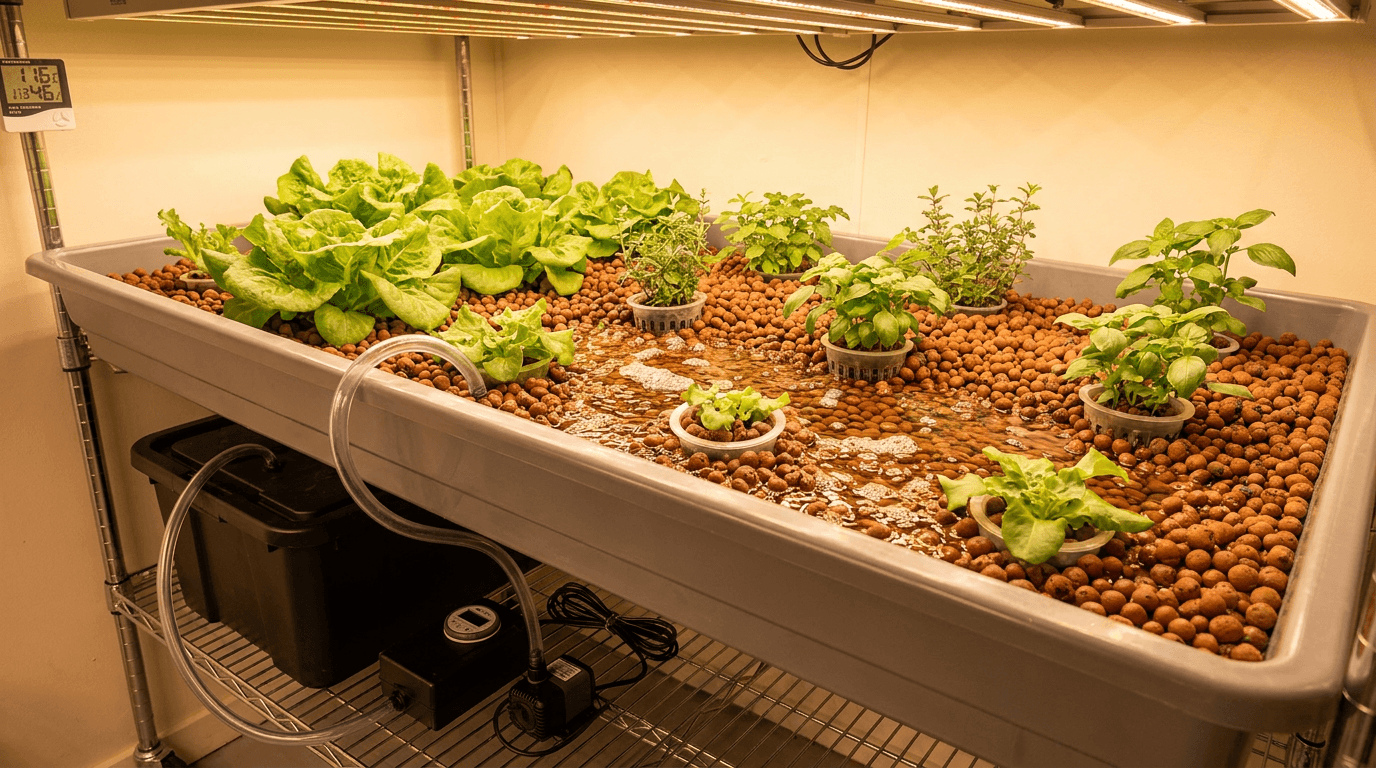
Ebb and Flow Systems: Pros, Cons, and How They Work
Everything you need to know about ebb and flow hydroponic systems: how flood and drain cycles work, the best crops for this versatile method, and a detailed pros and cons analysis backed by real-world testing data from The Hydro Lab.
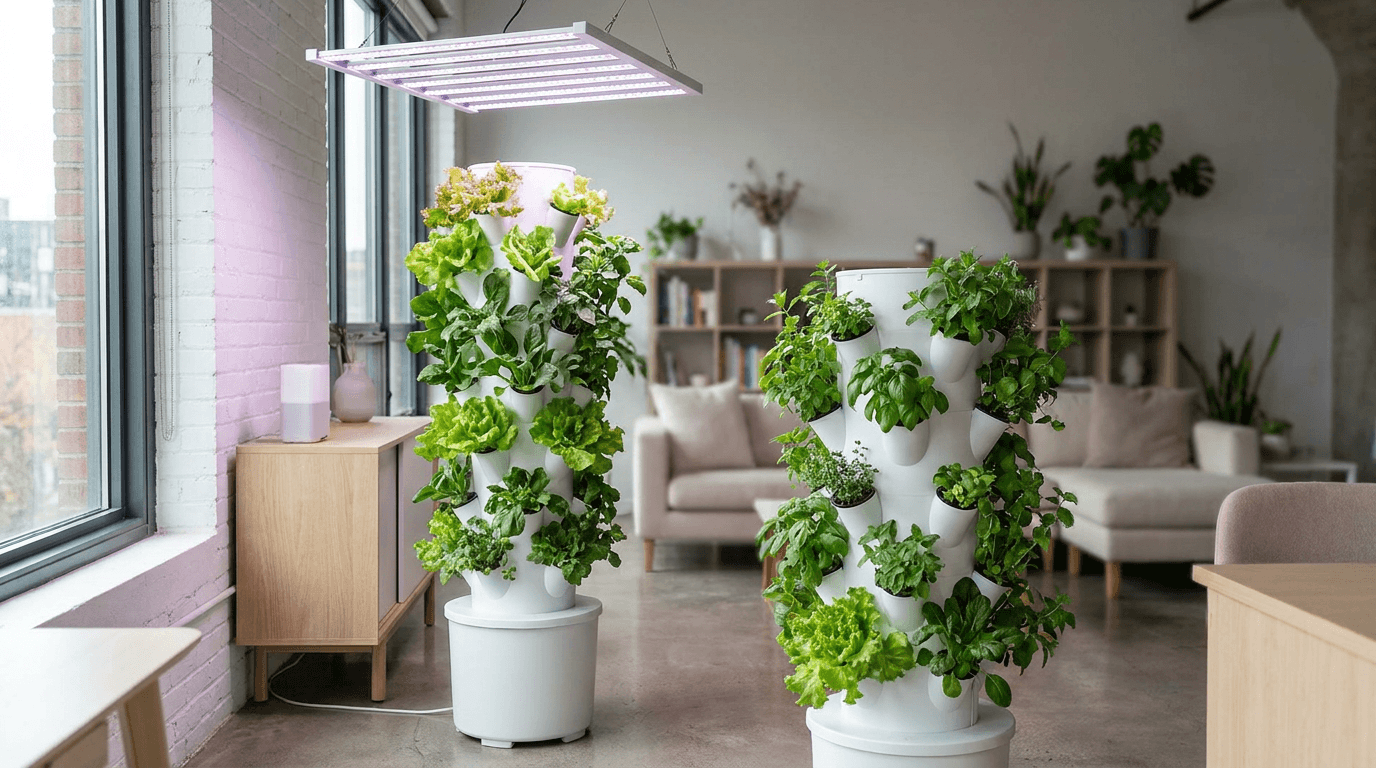
How to Build a Vertical Hydroponic Tower for Small Spaces
Build a space-saving vertical hydroponic tower that grows up to 50 plants in just 2 square feet of floor space. Complete DIY guide with materials list, step-by-step assembly, plant selection tips, and maintenance schedule for small-space growers.
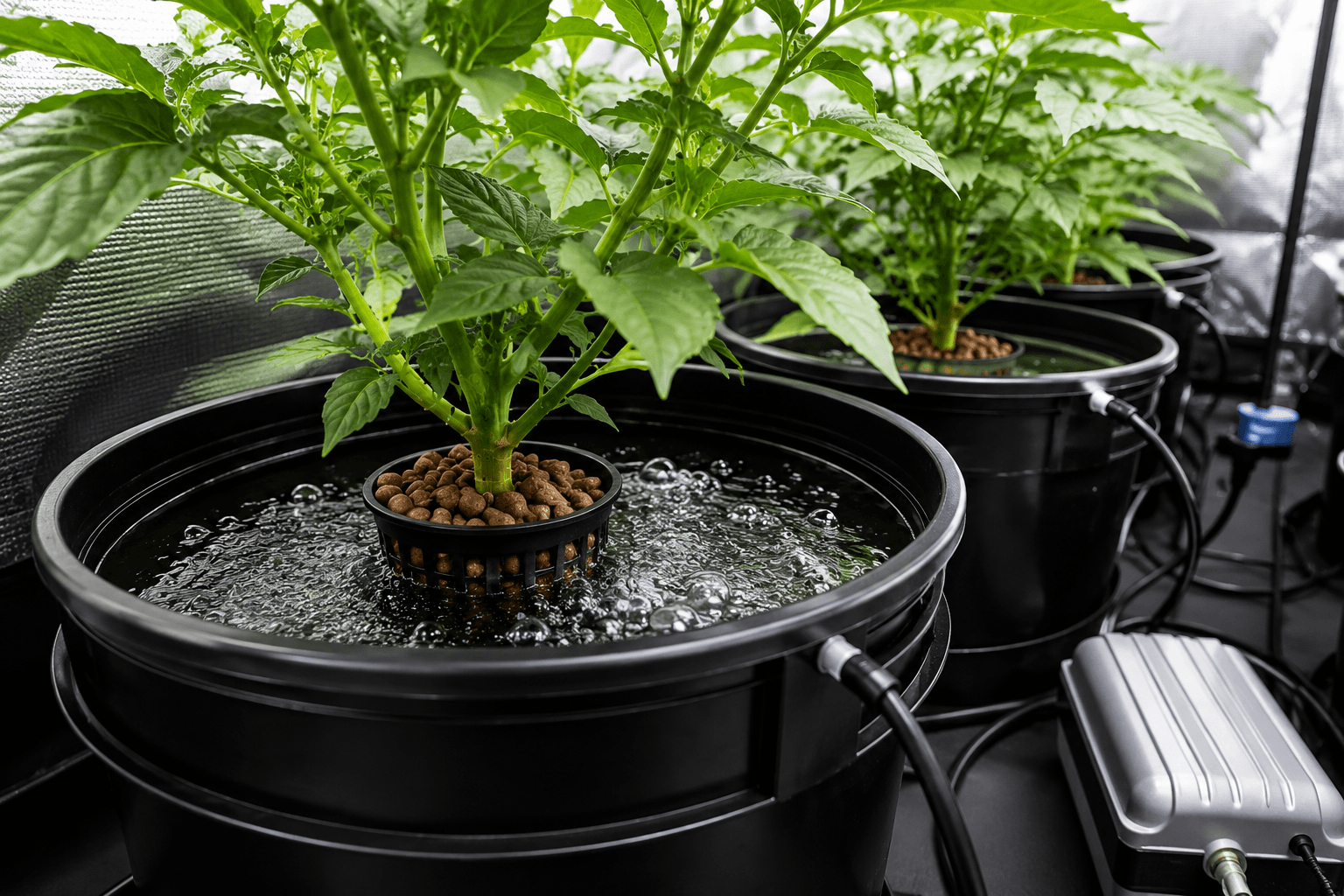
Deep Water Culture (DWC) for Beginners: The Ultimate Guide
The complete beginner's guide to Deep Water Culture hydroponics. Learn how DWC works, build your first system with a step-by-step setup guide, master nutrient management, prevent common problems, and grow lettuce, herbs, tomatoes, and more.