
Maintaining a Home NFT Channel Without the Algae Wars
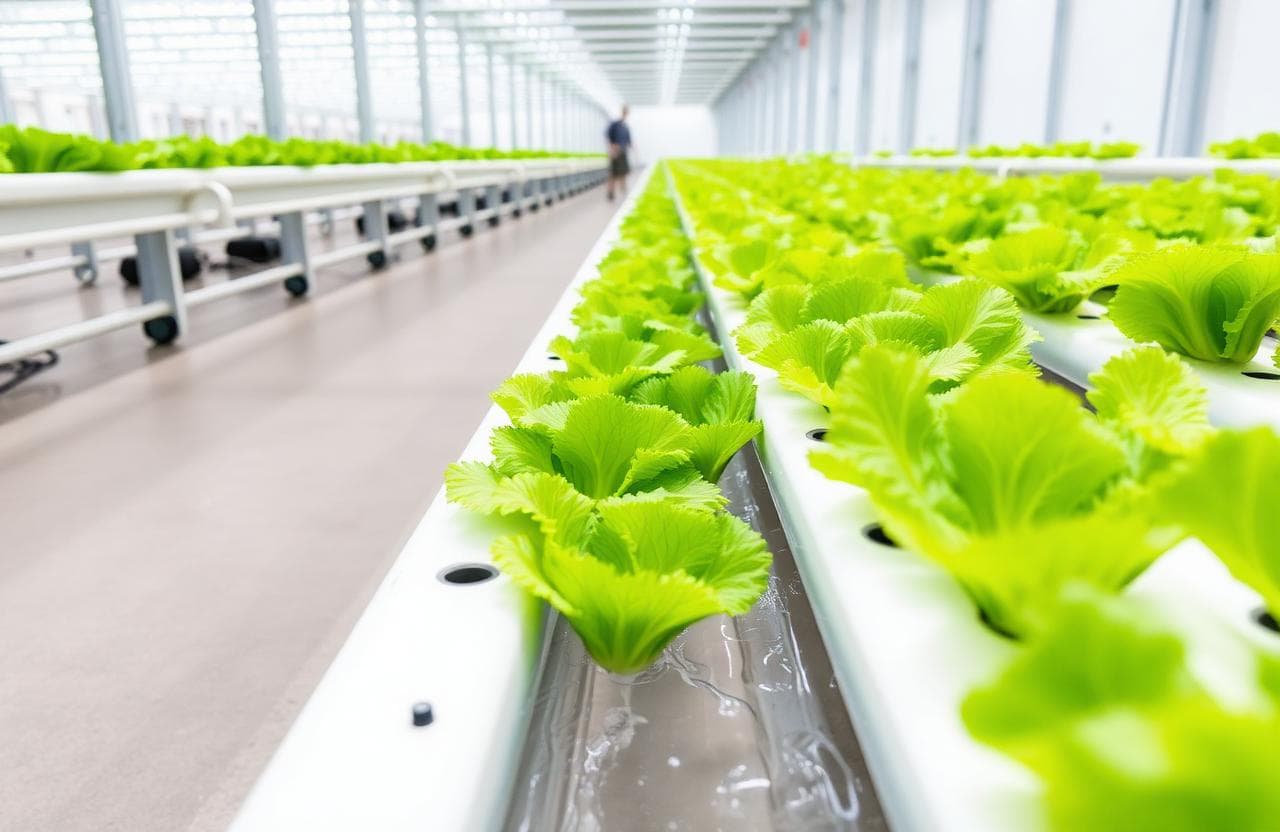
A nutrient film technique system is a thing of beauty when it is running correctly. A thin sheet of nutrient solution flows continuously over the root mass, delivering oxygen, water, and nutrients in a precise, efficient stream. Plants grow fast, yields are high, and the system uses a fraction of the water that other hydroponic methods require. But NFT systems have a reputation for being finicky, and that reputation is deserved.
The difference between a thriving NFT system and a frustrating one comes down to three variables: slope, flow rate, and cleanliness. Get these right and your NFT system will run for seasons with minimal intervention. Get them wrong and you will fight a constant battle against algae, root rot, and clogged channels. This guide covers the exact specifications and maintenance routines that keep our NFT systems productive at The Hydro Lab.
The Lab's Verdict
NFT systems are the most efficient hydroponic method for leafy greens and herbs, but they demand precise setup and consistent maintenance. The most common failure point is inadequate slope, which causes pooling, root rot, and uneven nutrient distribution. A slope of one centimeter per thirty centimeters of channel length is the minimum. One centimeter per forty centimeters is ideal. Anything flatter invites problems.
Get the Slope Right
The slope of your NFT channels determines the thickness and velocity of the nutrient film. Too steep and the film breaks into droplets, leaving roots exposed and dry. Too flat and the film becomes too thick, reducing oxygen exchange and creating stagnant zones where pathogens thrive. The ideal slope creates a continuous, shimmering film that is approximately one to two millimeters thick across the entire length of the channel.
A common mistake is measuring slope with an empty system, setting it to the correct angle, and then finding that the channels sag under the weight of water and plants. A three-meter channel filled with nutrient solution weighs approximately twelve kilograms. If the support frame is not rigid enough, the center of the channel can sag by one to two centimeters, creating a low point where water pools and roots sit submerged. Use rigid aluminum or galvanized steel supports spaced no more than sixty centimeters apart to prevent sagging.
Measure your slope by placing a level on the channel and calculating the drop per meter. For a two-meter channel, the inlet should be five centimeters higher than the outlet. Check the slope with water flowing, not empty, because the weight of the filled channels can cause the frame to settle and change the angle. Recheck after twenty-four hours of operation and adjust as needed. In our lab, we use adjustable support brackets made from slotted aluminum angle stock, which allows fine-tuning of the slope in two-millimeter increments without disassembling the system.
Flow Rate That Works
Flow rate in an NFT system is measured in liters per minute per channel. Too low and the far end of the channel receives insufficient nutrients and oxygen. Too high and the velocity scours beneficial biofilm from the channel surface and creates excessive noise and splashing. The optimal range for standard four-inch NFT channels is one to two liters per minute.
Adjust flow using a ball valve on each channel's supply line. Start with the valve fully open, then close it gradually until the nutrient film becomes visibly thinner but still continuous. Mark this position on the valve handle for future reference. Check and adjust flow rates weekly because pump performance degrades over time as impellers wear and filters accumulate debris. A pump that delivers two liters per minute when clean may drop to one liter per minute after four weeks of operation if the pre-filter is not maintained.
The relationship between channel length and flow rate is critical. For channels under 1.2 meters, flow rates as low as 0.5 liters per minute are sufficient. For channels between 1.2 and 2.4 meters, aim for one to 1.5 liters per minute. For channels exceeding 2.4 meters, increase to 1.5 to two liters per minute and consider feeding from both ends to ensure even distribution. The nutrient film should maintain contact with the entire root mass without breaking into separate rivulets. If you see dry patches on the channel floor between net pots, increase flow rate.
The 15-Minute Weekly Routine
The single best habit you can develop for NFT maintenance is a weekly fifteen-minute cleaning routine. Perform it on the same day every week and you will prevent almost every common NFT problem before it starts.
Weekly NFT Maintenance Protocol
- Step 1: Remove all plants from channels and inspect roots for discoloration or sliminess.
- Step 2: Flush channels with clean water and scrub with a soft brush to remove biofilm.
- Step 3: Run a diluted hydrogen peroxide solution (3%, 10ml per liter) through the system for 15 minutes.
- Step 4: Flush with clean water for another 15 minutes to remove peroxide residue.
- Step 5: Clean pump intake filter and check that all drip emitters are flowing evenly.
- Step 6: Replace plants, top up reservoir with fresh nutrient solution, and record EC and pH.
Channel Design and Material Choices
The channel itself is one of the most overlooked aspects of NFT system design. Standard PVC downspout channels work well, but the internal geometry matters more than most growers realize. Channels with rounded bottoms promote better film flow than flat-bottomed designs because the nutrient solution naturally concentrates along the centerline, maintaining consistent contact with the root mass. Square or flat-bottomed channels allow the film to spread too thin, reducing nutrient contact at the edges.
| Material | Light Blocking | Cost per Meter | Durability | Our Rating |
|---|---|---|---|---|
| White PVC downspout | Poor (needs painting) | $4 | Excellent | Best value |
| Black ABS pipe | Excellent | $8 | Excellent | Premium choice |
| Aluminum U-channel | Complete | $15 | Good (may react with pH) | Not recommended |
| Clear acrylic | None | $12 | Fair (scratches easily) | Avoid |
Channel width should match your plant spacing. For lettuce and herbs planted every twenty centimeters, a ten-centimeter wide channel provides adequate root space. For larger plants like Swiss chard or kale planted every thirty centimeters, use fifteen-centimeter wide channels. The channel depth should be at least five centimeters to contain the root mat without restricting flow. Deeper channels, around eight centimeters, provide additional buffering against flow interruptions but require more nutrient solution to fill.
Light penetration into the channel is a primary cause of algae growth. White PVC allows light to pass through the walls, especially at the thinner sections near fittings and corners. Paint the exterior of white channels with two coats of black spray paint designed for plastic, or wrap them with black adhesive vinyl. Even with opaque channels, check for light leaks at the net pot holes where the plant stems enter the channel. Use light-proof collars or wrap the base of each net pot with a strip of black plastic. A single pinhole of light entering a channel can support an algae colony that produces enough organic waste to destabilize your nutrient solution pH within forty-eight hours. Black ABS pipe eliminates this issue entirely and is our recommended material despite the higher cost. Every dollar spent on light-proof channels saves ten dollars in algae control chemicals over the system lifetime.
NFT vs Other Hydroponic Methods
| Factor | NFT | DWC | Ebb and Flow |
|---|---|---|---|
| Water Efficiency | Excellent (thin film) | Moderate (large reservoir) | Good (recirculating) |
| Root Oxygenation | Excellent (air + film) | Good (requires air stone) | Excellent (drain cycle) |
| Best Crop Types | Leafy greens, herbs | Lettuce, tomatoes | Tomatoes, peppers |
| System Complexity | Medium | Low | Medium |
| Maintenance Frequency | Weekly | Bi-weekly | Weekly |
| Risk of Pump Failure | Critical (plants die in hours) | Low (large water buffer) | Medium (timer dependent) |
| Yield per Square Meter | Highest for greens | High for single plants | High for fruiting crops |
Pest and Pathogen Prevention
The warm, humid environment inside NFT channels is ideal for pathogens if conditions are not managed correctly. Pythium root rot is the most common and destructive pathogen in NFT systems. It thrives when water temperature exceeds 22 degrees Celsius and dissolved oxygen drops below five parts per million. Once established, Pythium can destroy an entire crop within seventy-two hours. Prevention is far more effective than treatment.
Maintain water temperature between eighteen and twenty-two degrees Celsius using a chiller if necessary. In warm climates, a one-tenth horsepower inline water chiller capable of cooling a fifty-liter reservoir by five degrees costs approximately three hundred dollars but is essential for summer growing. Monitor dissolved oxygen with a portable DO meter and add a supplemental air stone in the reservoir if readings fall below six parts per million. A preventive root zone treatment schedule is essential for NFT systems running continuously for more than three months. Apply one milliliter per gallon of hydrogen peroxide (three percent solution) every three days as a prophylactic measure, or use a commercial beneficial bacteria product at half strength continuously. In our lab, we alternate between hydrogen peroxide and beneficial bacteria on a weekly rotation, which has eliminated root rot incidents entirely across four NFT systems running for eighteen consecutive months. Beneficial bacteria products containing Bacillus amyloliquefaciens or Bacillus subtilis, applied weekly at the manufacturer's recommended rate, colonize the root zone and outcompete pathogenic organisms.
Root Health Indicators
- Healthy: White or cream-colored, firm, branching freely, mild earthy smell
- Early Pythium: Slight browning at root tips, reduced branching, translucent appearance
- Advanced Pythium: Dark brown or black, slimy texture, foul odor, root cortex sloughing off
- Nutrient stain: Orange or rust-colored but firm and not slimy (harmless, caused by iron precipitate)
Frequently Asked Questions
Can I run my NFT system intermittently instead of continuously?
Intermittent flow, where the pump runs on a timer cycling fifteen to thirty minutes on and fifteen to thirty minutes off, can improve root oxygenation because the roots are exposed to air during the off cycle. However, this requires careful timing. If the off cycle is too long, the root mat dries out and root tips die. If the on cycle is too short, nutrients do not reach the far end of the channel. We recommend continuous flow for beginners and intermittent flow only for experienced growers who have validated their cycle timing with moisture sensors embedded in the root mat.
How often should I change the nutrient solution in an NFT system?
For leafy greens in NFT, change the nutrient solution every seven to ten days. The small reservoir volume typical in NFT systems, usually five to twenty liters, means nutrient concentrations shift rapidly as plants feed and water evaporates. A weekly change prevents the EC from climbing too high and maintains balanced nutrient ratios. Monitor EC daily and top up with plain water between changes to compensate for water loss.
What size pump do I need for a multi-channel NFT system?
Calculate total flow requirement by multiplying the number of channels by the target flow rate per channel. For a six-channel system at 1.5 liters per minute each, you need a pump capable of delivering nine liters per minute at the head height of your system. Add thirty percent margin for pipe friction losses and pump degradation over time. A submersible pump rated for 1200 liters per hour at zero head is typically sufficient for up to eight channels. Always use a pump with a pre-filter to prevent debris from clogging the channels.
My nutrient solution temperature is 28 degrees Celsius. Is that a problem?
Yes. At 28 degrees Celsius, the dissolved oxygen capacity of water drops to approximately 7.8 parts per million, and the biological oxygen demand from beneficial bacteria and root respiration reduces available oxygen further. Combined with the thin film in NFT channels, this can lead to hypoxic conditions at the root zone within hours. Install a water chiller set to 20 degrees Celsius or switch to a more heat-tolerant crop like watercress during summer months. Every degree above 22 degrees Celsius increases Pythium infection risk by approximately fifteen percent.
How do I clean algae from NFT channels without harming my plants?
For mild algae growth, use hydrogen peroxide at a concentration of three milliliters per liter of thirty-five percent food-grade hydrogen peroxide. Run the solution through the system for one hour with the plants in place, then flush with clean water for thirty minutes. For severe infestations, remove the plants and scrub channels with a ten percent bleach solution, rinse thoroughly, and soak channels in water with a dechlorinating agent before replanting. Prevent future algae by ensuring all channels are completely light-proof and maintaining beneficial bacteria populations.
What is the ideal water temperature for NFT systems?
The ideal water temperature for NFT systems is eighteen to twenty-two degrees Celsius. Below eighteen degrees, nutrient uptake slows and root growth is stunted. Above twenty-two degrees, dissolved oxygen drops and Pythium risk increases exponentially. If your reservoir temperature regularly exceeds twenty-two degrees, install a water chiller. For small systems under twenty liters, frozen water bottles rotated twice daily can provide temporary temperature control during heat waves. Monitor water temperature with a dedicated thermometer placed in the reservoir, not in the channels, because the thin film in the channels equilibrates to air temperature within minutes.
Should I use rockwool or coco coir for NFT net pots?
Rockwool starter plugs are the standard choice for NFT because they hold their structure when saturated and provide excellent capillary action. Coco coir can be used but tends to shed fibers that clog pumps and channels over time. If using coco coir, encase it in a fine mesh bag or use compressed coir disks designed for hydroponics. Whichever medium you choose, ensure the roots can penetrate freely into the channel within five to seven days after transplanting. If roots are not emerging from the net pot by day seven, the medium may be too dense or the water level in the channel too low.
Which NFT Grower Are You?
Find the system scale that matches your ambition and space.
The Lettuce Hobbyist
Two to four channels on a shelf, growing fresh lettuce for your kitchen. Weekend maintenance keeps everything running smoothly with minimal time investment.
The Market Grower
Eight to sixteen channels producing weekly harvests for local sales. Precision slope setup, automated monitoring, and a strict sanitation schedule are non-negotiable.
The Science-Minded Tinkerer
Testing nutrient recipes, flow rates, and channel geometry. You treat your NFT system as an experimental platform and document everything meticulously.
The Lab's Final Analysis
NFT systems reward attention to detail. The slope, flow rate, and cleanliness are not optional preferences but essential requirements for successful operation. A well-configured NFT system will outperform almost any other hydroponic method for leafy greens, producing faster growth rates and higher yields per square meter than DWC or ebb-and-flow.
The fifteen-minute weekly cleaning routine is the single most important practice for long-term NFT success. Skipping it for two consecutive weeks will result in algae buildup, which will be followed by clogged channels, which will be followed by root rot. The routine takes less time than troubleshooting the problems it prevents. Invest in quality channel materials, maintain proper water temperature, and monitor root health as a leading indicator of system problems.
Measure your channel slope today. If it is less than one centimeter per forty centimeters, rebuild your support structure before your next crop cycle. Your future self will thank you.
More from Systems & DIY
Keep reading
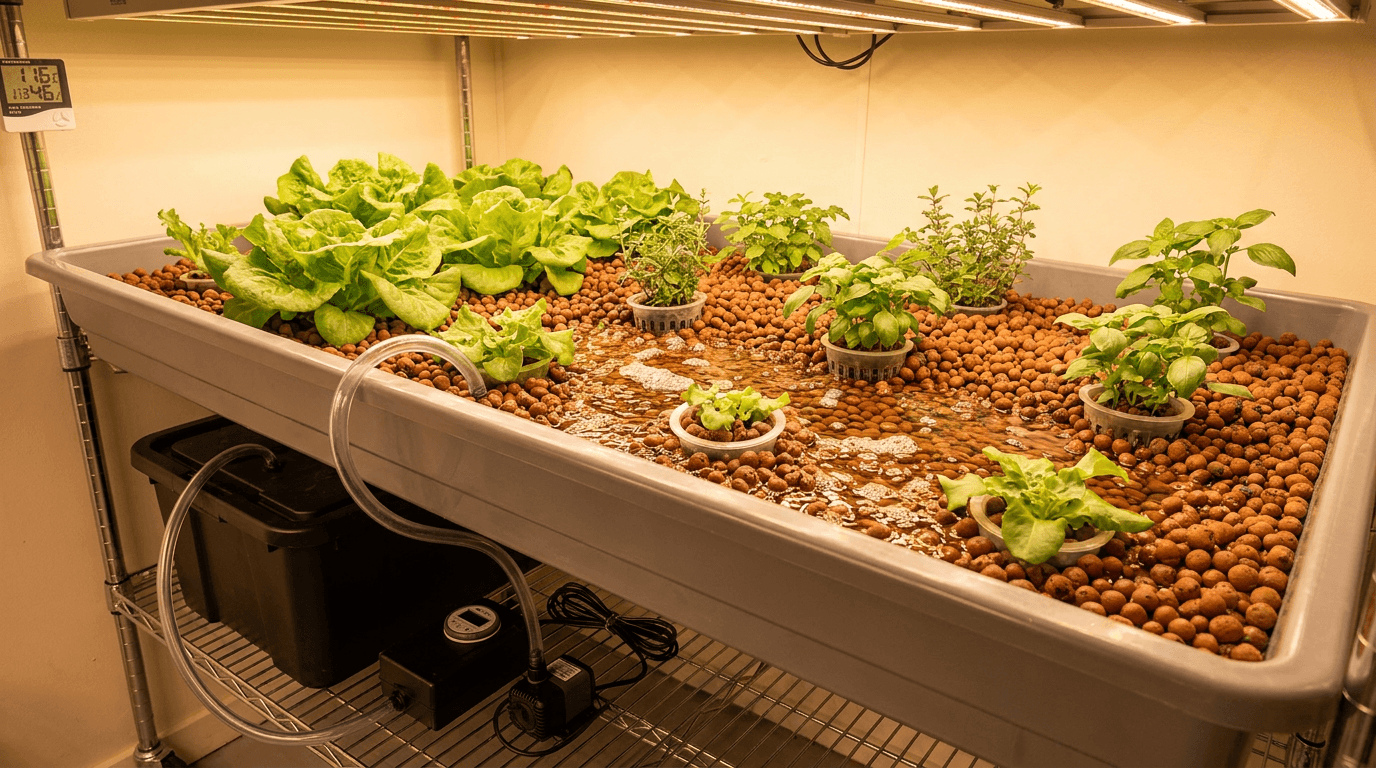
Ebb and Flow Systems: Pros, Cons, and How They Work
Everything you need to know about ebb and flow hydroponic systems: how flood and drain cycles work, the best crops for this versatile method, and a detailed pros and cons analysis backed by real-world testing data from The Hydro Lab.
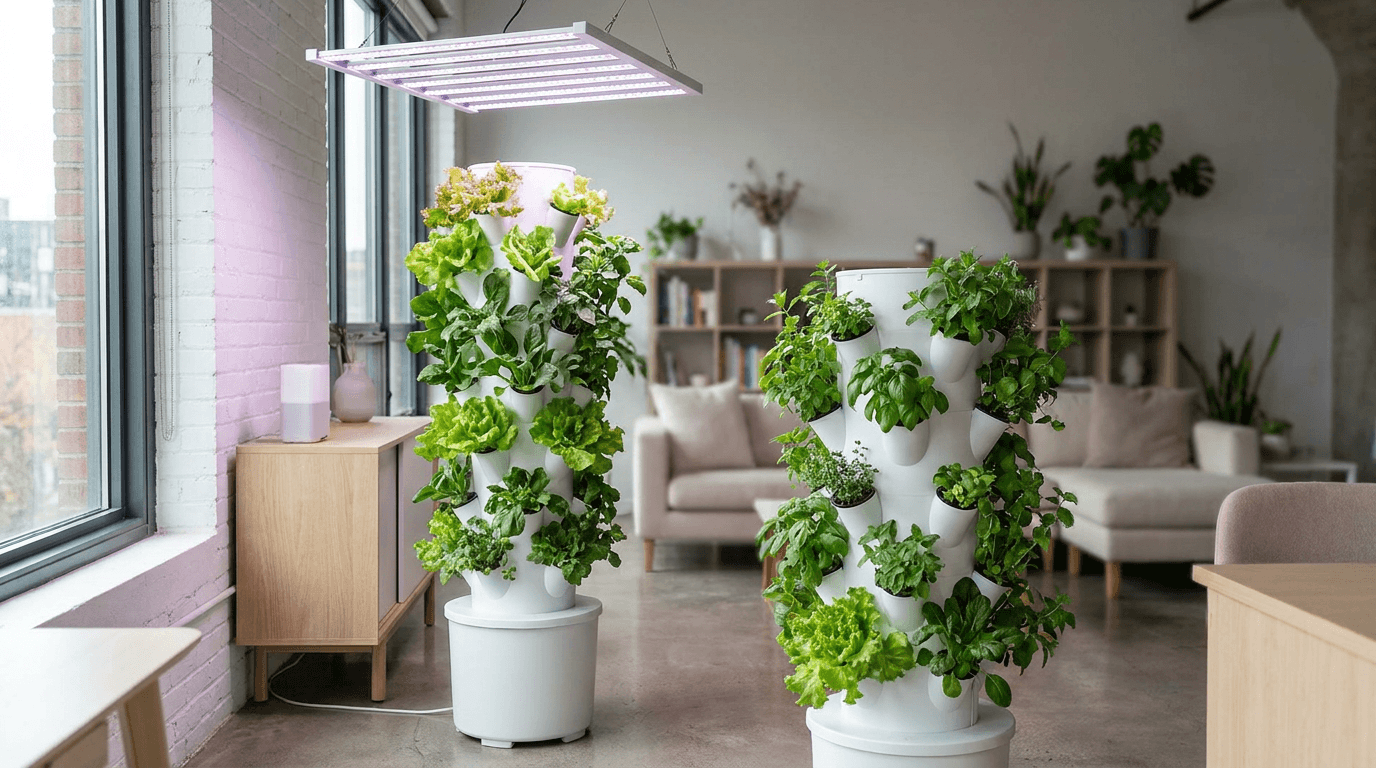
How to Build a Vertical Hydroponic Tower for Small Spaces
Build a space-saving vertical hydroponic tower that grows up to 50 plants in just 2 square feet of floor space. Complete DIY guide with materials list, step-by-step assembly, plant selection tips, and maintenance schedule for small-space growers.
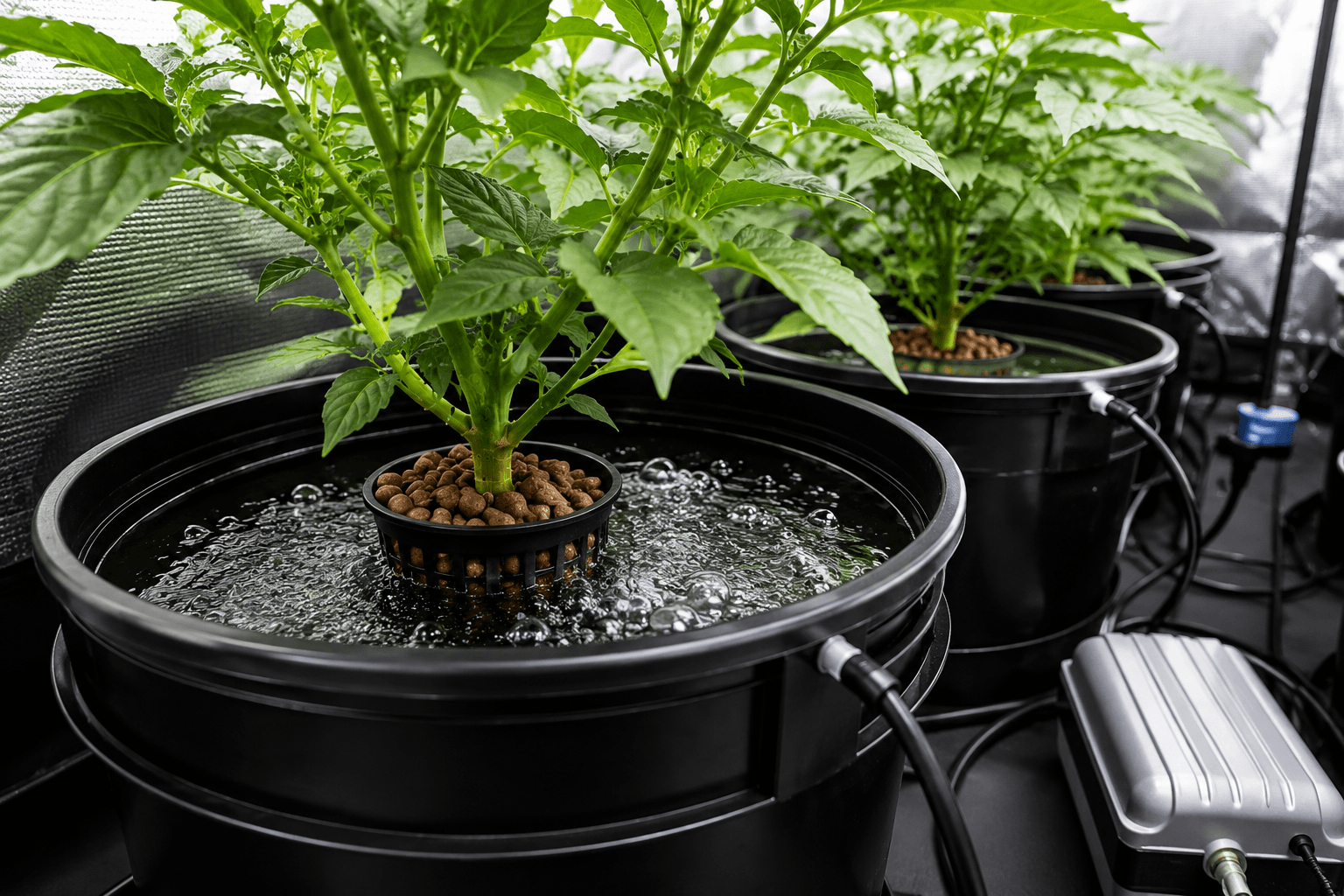
Deep Water Culture (DWC) for Beginners: The Ultimate Guide
The complete beginner's guide to Deep Water Culture hydroponics. Learn how DWC works, build your first system with a step-by-step setup guide, master nutrient management, prevent common problems, and grow lettuce, herbs, tomatoes, and more.