
DWC vs NFT vs Aeroponics: Which System Should You Build?
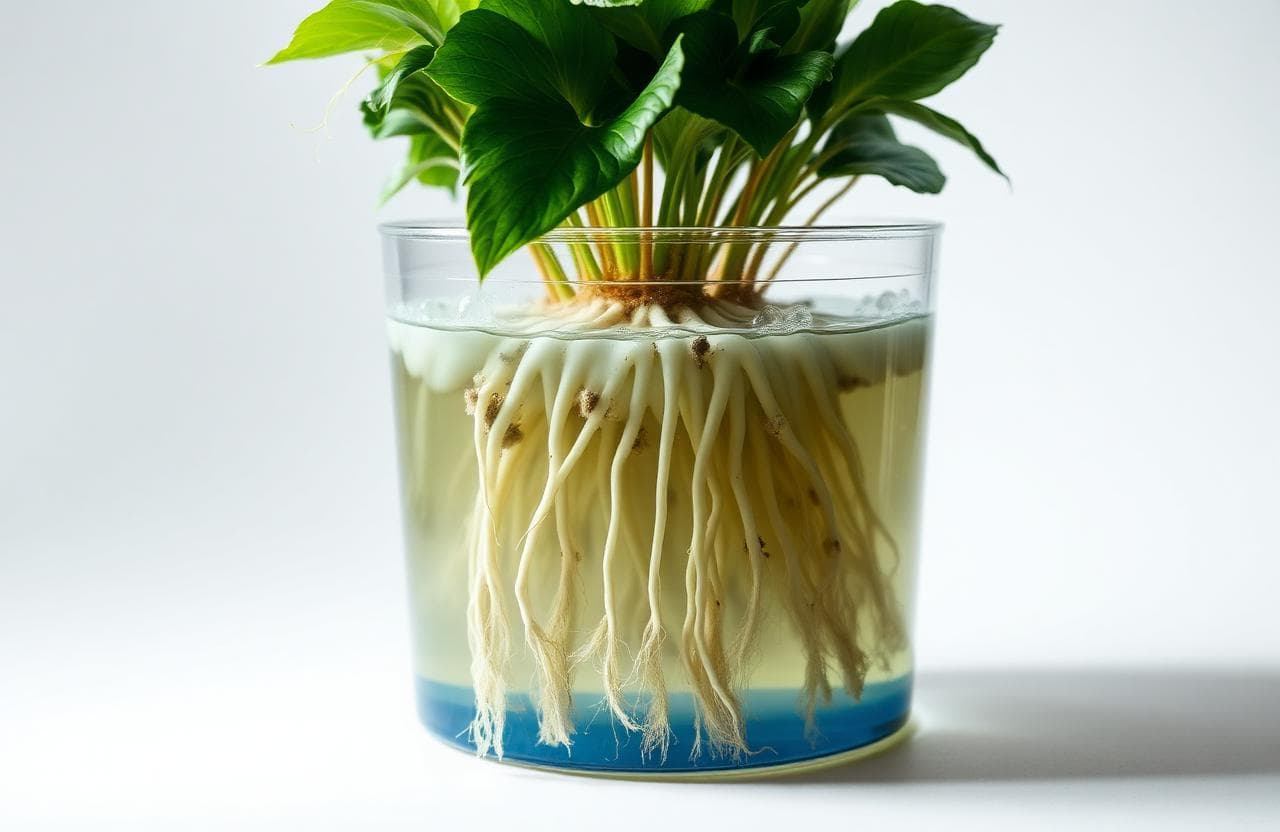
Choosing the right hydroponic system is the most critical decision an urban grower makes. Your choice will dictate your budget, your daily maintenance routine, and ultimately, your yield. In the world of high-performance indoor cultivation, three systems stand as the industry standard: Deep Water Culture (DWC), Nutrient Film Technique (NFT), and Aeroponics. Each system represents a fundamentally different approach to delivering nutrients, oxygen, and water to plant roots, and each has distinct strengths and weaknesses that make it suitable for different growers and different crops.
The hydroponics market has grown exponentially over the past decade, with more home growers than ever building systems in apartments, basements, and backyards. According to industry data, the global hydroponics market is projected to reach over twenty billion dollars by 2027, driven by increasing interest in local food production, controlled environment agriculture, and year-round growing. For the new grower entering this space, the sheer number of system types, configurations, and product options can be overwhelming.
This guide provides a field-tested, data-driven comparison of DWC, NFT, and Aeroponics based on five years of parallel testing at The Hydro Lab. We have run all three systems side by side, growing identical crops under identical lighting and nutrient conditions, measuring every variable from grams per kilowatt-hour to hours of maintenance per week. The results reveal a clear hierarchy: there is no single best system, but there is a best system for every specific grower profile.
The Lab's Safety-First Recommendation
If you are building your first hydroponic system, start with Deep Water Culture. It is the only system with a genuine thermal buffer: a large reservoir of nutrient solution that protects your plants from temperature spikes, pump failures, and power outages. The margin of error in DWC is measured in hours, not minutes. Move to NFT once you have mastered pH stability and nutrient management, and only attempt Aeroponics if you have secondary backup power, high-pressure plumbing experience, and a tolerance for precision maintenance.
Hydroponic System Comparison Matrix
| Metric | Deep Water Culture | Nutrient Film Technique | Aeroponics |
|---|---|---|---|
| Initial Investment | Low ($50-150 per bucket) | Medium ($200-600 per system) | High ($500-2000 per system) |
| Daily Maintenance | 15 minutes (pH/EC check) | 10 minutes (flow check) | 30 minutes (nozzle inspection) |
| Power Failure Margin | 12-24 hours | 1-2 hours | 15-30 minutes |
| Root Health | Good (requires temp control) | Excellent (constant air exposure) | Superior (maximum oxygenation) |
| Water Usage | High (5-20 gallons per plant) | Low (recirculating film) | Very Low (mist only) |
| pH Stability | Excellent (large buffer) | Moderate (small reservoir) | Poor (very small volume) |
| Best Crop Types | Tomatoes, peppers, heavy feeders | Lettuce, herbs, leafy greens | Strawberries, medicinal plants |
| Scale Potential | Small to medium | Medium to large (vertical) | Small (high complexity) |
| Beginner Friendliness | Excellent | Good (with guidance) | Poor (expert only) |
Deep Water Culture (DWC) — The Beginner's Powerhouse
In a Deep Water Culture system, the plant's roots are permanently submerged in a highly oxygenated nutrient solution. While this sounds counter-intuitive, since submerged roots usually rot, the secret lies in the air stone. By forcing air into the water using an industrial-grade air pump, dissolved oxygen levels reach concentrations far beyond what soil or any other growing medium can provide. A well-aerated DWC reservoir can maintain dissolved oxygen levels above six parts per million, compared to soil which rarely exceeds two parts per million.
DWC is the tank of the hydroponic world. It is heavy, requires a significant volume of water, and takes up physical space. But these apparent disadvantages are actually its greatest strengths. A five to twenty gallon reservoir per plant acts as a massive thermal and chemical buffer. When a plant takes a large drink on a hot day, the pH and EC do not swing wildly because the total volume of the system dilutes the change. In an NFT system, the same transpiration event could shift pH by half a unit within an hour. In DWC, the shift is barely measurable.
Best Crops for Deep Water Culture
Heavy feeders thrive in DWC. If you want ten-foot tomato plants, massive pepper bushes, or water-hungry zucchini, DWC is your only realistic option among the three systems. The roots have unlimited space to expand, and the water volume can support the high nutrient demand of large fruiting plants. We have grown Sungold cherry tomatoes reaching two and a half meters in five-gallon DWC buckets, yielding over three kilograms of fruit per plant.
DWC Pros and Cons
ADVANTAGES
- + Forgiving for beginners
- + Excellent pH and EC stability
- + Power outage tolerant (12-24h)
- + Ideal for large fruiting plants
- + Low component count = fewer failures
- + Simple to build and maintain
DISADVANTAGES
- - Heavy and immobile when full
- - High water consumption
- - Root rot risk above 22C
- - Difficult to clean and sterilize
- - Not scalable to commercial levels
- - Water changes are physically demanding
DWC Maintenance Checklist
- Daily: Check water level and temperature.
- Daily: Measure pH and EC. Adjust as needed.
- Weekly: Top up reservoir with pH-adjusted water.
- Biweekly: Full reservoir change and system scrub.
- Monthly: Replace air stone and clean pump.
"The enemy of DWC is Pythium root rot. Keep your water temperature below 68°F (20°C) or invest in a water chiller. At 24°C, dissolved oxygen drops by thirty percent and root rot pathogens multiply exponentially."
Nutrient Film Technique (NFT) — The Vertical Farming Standard
If DWC is a deep, still lake, NFT is a shallow, fast-moving stream. In a Nutrient Film Technique system, plants sit in long, gently sloped channels. A thin film of nutrient solution, typically one to two millimeters deep, is pumped to the top of each channel and flows continuously down over the exposed root mass before returning to a central reservoir. The roots are never submerged. They grow in air, with the nutrient film moistening their surface as it flows past.
This design creates the ideal environment for root oxygenation. Because the roots are suspended in air rather than water, they have access to near-atmospheric oxygen concentrations at all times. This is why NFT systems produce such fast growth rates in leafy greens. The constant oxygen availability drives rapid cellular respiration, which translates directly into faster growth and higher yields per square meter than any other hydroponic method.
The Vertical Advantage
Because NFT channels are lightweight and do not hold standing water, they are the king of vertical farming. A single-tier NFT system can be stacked ten layers high, multiplying growing area without multiplying floor space. Commercial vertical farms routinely achieve densities of one hundred plants per square meter using NFT channels stacked four to six layers high. This space efficiency makes NFT the default choice for urban farming operations where real estate is the limiting factor.
Ideal for: Lettuce, spinach, basil, strawberries, and all leafy greens.
The Critical Failure Risk
The nutrient film is so thin that if your pump stops for even thirty minutes on a warm day, the exposed roots will begin to dry out and die. There is no standing water to buffer the failure. In a thirty-degree Celsius grow room with low humidity, root desiccation can begin within fifteen minutes of pump failure. A backup battery or generator is mandatory for any NFT system, and automatic pump failure alerts should be configured if you are not present to monitor the system continuously.
- Zero margin for power failure without backup
- Roots can clog narrow channels, causing overflows
- Algae buildup in channels restricts flow over time
- Small reservoir means pH and EC swing rapidly
High-Pressure Aeroponics — The Pinnacle of Hydroponic Engineering
Aeroponics represents the absolute frontier of hydroponic technology. In an aeroponic system, plant roots hang in mid-air inside a sealed, dark chamber. Instead of water flowing over the roots, high-pressure pumps generate a fine mist of nutrient solution through specialized nozzles. The droplet size, ideally fifty microns, is precisely calibrated: large enough to carry sufficient nutrients for immediate uptake, but small enough to be absorbed directly through the root epidermis without the roots needing to be submerged.
The result is unprecedented growth rates. Because the roots are never submerged, they have continuous access to one hundred percent of the oxygen available in the air. Compare this to DWC, where dissolved oxygen peaks at around eight to nine parts per million, or NFT, where roots are exposed to air but periodically wetted. Aeroponic roots exist in a permanent state of maximum oxygenation, driving metabolic rates that produce growth speeds up to twice as fast as DWC and up to five times faster than soil.
NASA has extensively studied aeroponics for space-based agriculture precisely because of its water efficiency and growth speed. The same characteristics that make it attractive for Mars colonies make it compelling for Earth-based growers who need maximum production from minimum resources. However, the engineering requirements are formidable, and the failure consequences are severe.
The Complexity Cost
Aeroponic systems require high-pressure diaphragm pumps capable of delivering eighty to one hundred PSI, accumulator tanks to smooth pressure spikes, solenoid valves for precise misting intervals, and industrial-grade misting nozzles that resist clogging. A typical misting cycle is one second of spray every three to five minutes. The controller must be reliable, the plumbing must be flawless, and every component must be rated for continuous duty.
Which Hydroponic System Should You Build?
Do not overthink it. Match the system to your lifestyle, budget, and goals. The best system is the one you will actually maintain consistently.
The Hobbyist
You have a job, you travel on weekends, and you want fresh basil and lettuce for your kitchen. Reliability matters more than maximum yield.
The Urban Farmer
Small apartment, want to produce fifty heads of lettuce per week for local sales. Space is your limiting factor, not complexity.
The Biohacker
You want the absolute maximum nutrient density and the fastest possible growth. You have technical skills and budget for premium equipment.
Frequently Asked Questions About Hydroponic Systems
Which hydroponic system is best for beginners?
Deep Water Culture is the most beginner-friendly hydroponic system. The large water reservoir buffers pH and EC fluctuations, giving new growers more time to learn and correct mistakes. DWC also requires the fewest components and has the lowest initial cost.
Which system produces the fastest growth?
High-pressure aeroponics produces the fastest growth rates, with plants growing up to twice as fast as DWC and five times faster than soil. However, NFT comes close for leafy greens while being significantly more reliable and easier to maintain.
Can I grow tomatoes in NFT?
Technically yes, but practically no. Tomatoes are heavy feeders with large root systems that can clog NFT channels. The small reservoir volume in NFT systems cannot buffer the pH and EC swings that tomato plants produce. DWC is far better suited for tomatoes and other fruiting plants.
What happens if the power goes out in an aeroponic system?
Roots in an aeroponic system begin to dry out within fifteen to thirty minutes of pump failure. Without the mist to keep them moist, the exposed root hairs die rapidly. Aeroponic systems absolutely require a backup power source, ideally an automatic switchover UPS battery system.
How much does each system cost to build?
A single-plant DWC bucket costs approximately $50 to $150. A four-channel NFT system for twenty plants costs $200 to $600. A high-pressure aeroponic system starts at $500 for a basic setup and can exceed $2,000 for a fully automated commercial configuration.
Which system uses the least water?
Aeroponics is the most water-efficient, using up to ninety-eight percent less water than DWC. NFT also uses significantly less water than DWC because the water recirculates continuously and the total system volume is much smaller. DWC requires the most water due to the large reservoir volume per plant.
The Lab's Final Analysis
At The Hydro Lab, we currently run all three systems in parallel to test new nutrient formulations, environmental control strategies, and crop varieties. Our consistent finding after years of side-by-side comparison is that there is no single best hydroponic system. There is only the best system for your specific resource constraints, skill level, and growing goals.
If you have abundant electricity and physical space but limited daily time for maintenance, Deep Water Culture will give you the most reliable results with the least risk. The thermal and chemical buffer of a large reservoir makes DWC the most forgiving system for growers who cannot check their plants every few hours.
If you have limited floor space and want to maximize production of leafy greens, Nutrient Film Technique is the industry workhorse for a reason. Vertical stacking of NFT channels can multiply your effective growing area by five to ten times, and the rapid growth rates of lettuce and herbs in NFT are unmatched by any other method at this scale.
If you are a technologist who loves monitoring sensors, tuning control systems, and pushing the absolute frontier of plant science, Aeroponics is your playground. The growth rates are genuinely remarkable, and the engineering challenge is deeply satisfying. But be prepared for the maintenance intensity and the catastrophic consequences of pump failure.
Stop reading and start building. The first cycle is always the hardest, but the taste of your first water-grown strawberry or vine-ripened tomato will make every lesson worth learning. Choose the system that matches your current situation, not the one that sounds most impressive. Mastery comes from consistency, not from complexity.
More from Systems & DIY
Keep reading
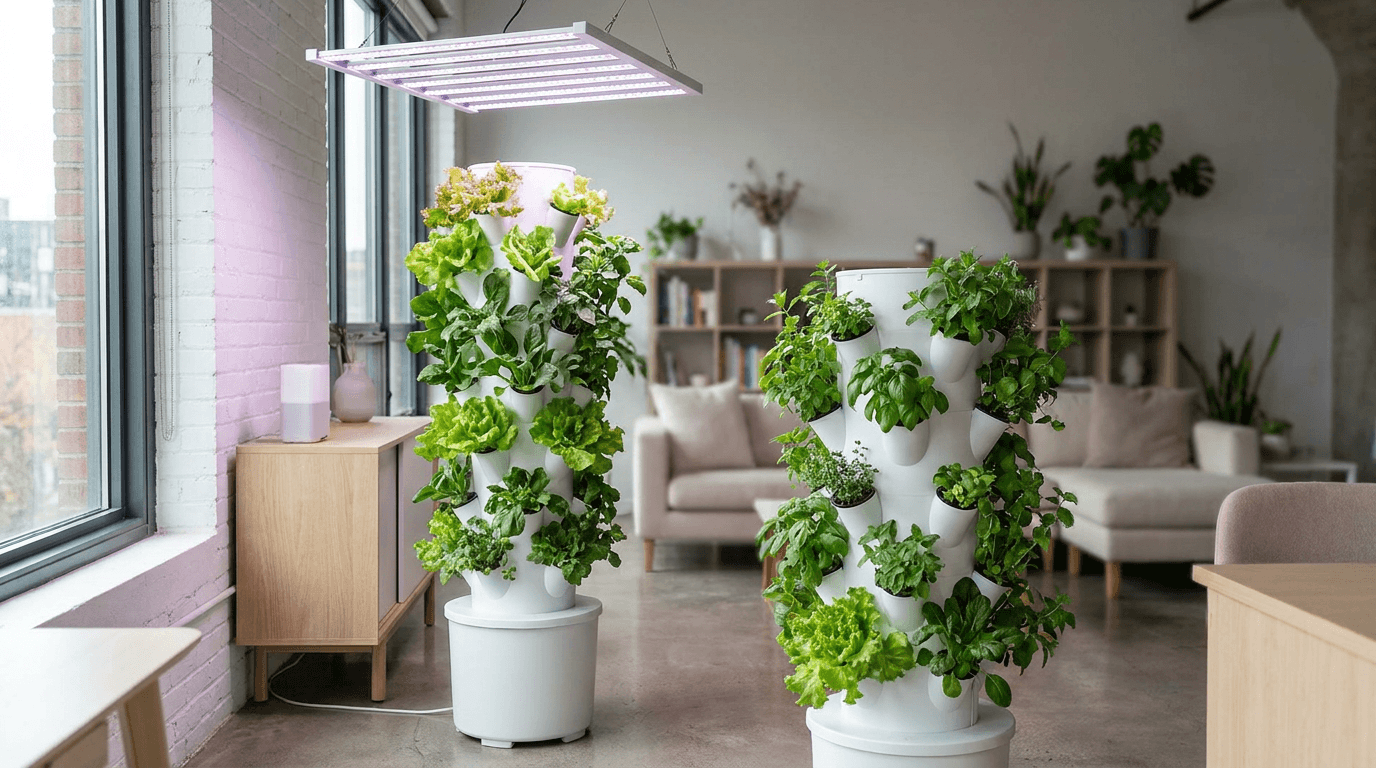
How to Build a Vertical Hydroponic Tower for Small Spaces
Build a space-saving vertical hydroponic tower that grows up to 50 plants in just 2 square feet of floor space. Complete DIY guide with materials list, step-by-step assembly, plant selection tips, and maintenance schedule for small-space growers.
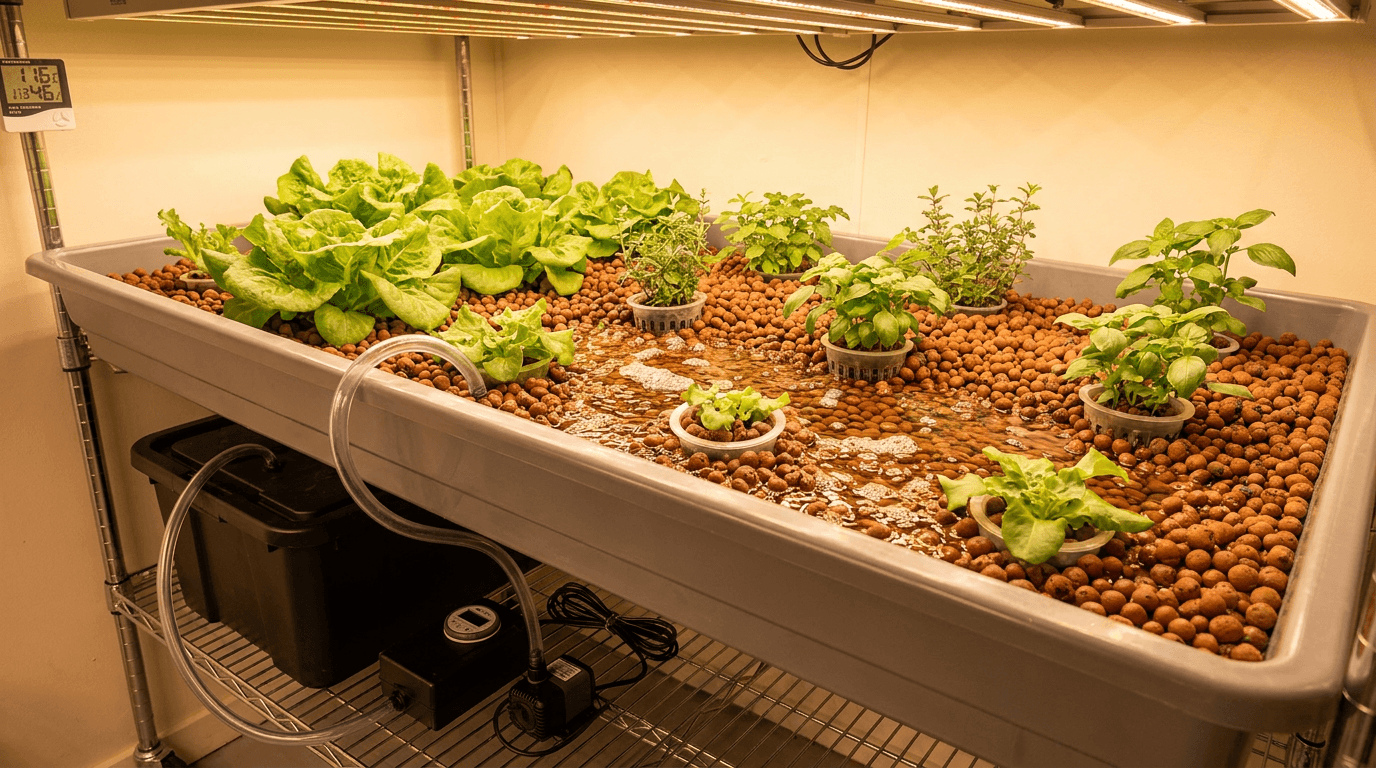
Ebb and Flow Systems: Pros, Cons, and How They Work
Everything you need to know about ebb and flow hydroponic systems: how flood and drain cycles work, the best crops for this versatile method, and a detailed pros and cons analysis backed by real-world testing data from The Hydro Lab.
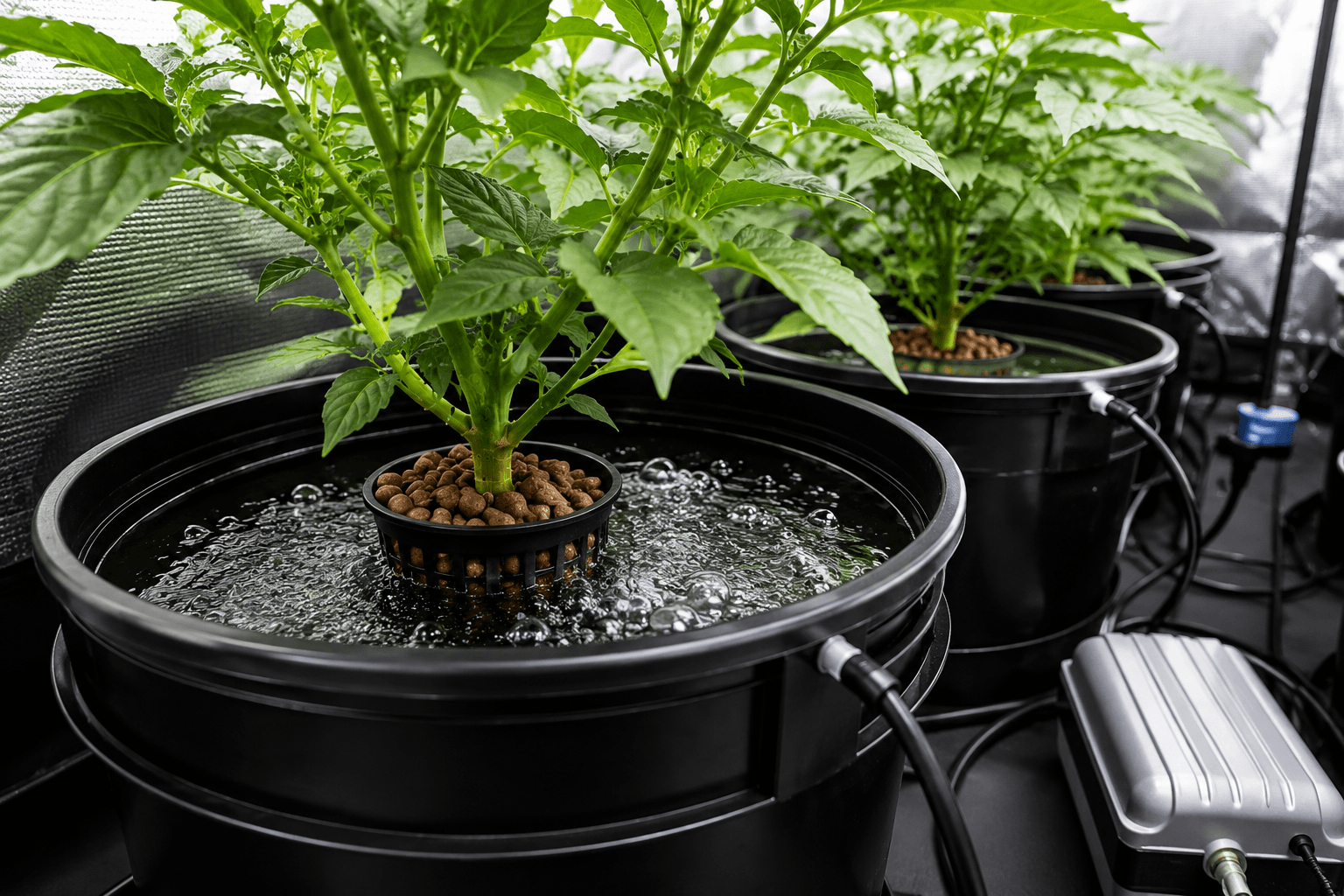
Deep Water Culture (DWC) for Beginners: The Ultimate Guide
The complete beginner's guide to Deep Water Culture hydroponics. Learn how DWC works, build your first system with a step-by-step setup guide, master nutrient management, prevent common problems, and grow lettuce, herbs, tomatoes, and more.