
Beneficial Bacteria in Hydroponics: Do You Need Them?
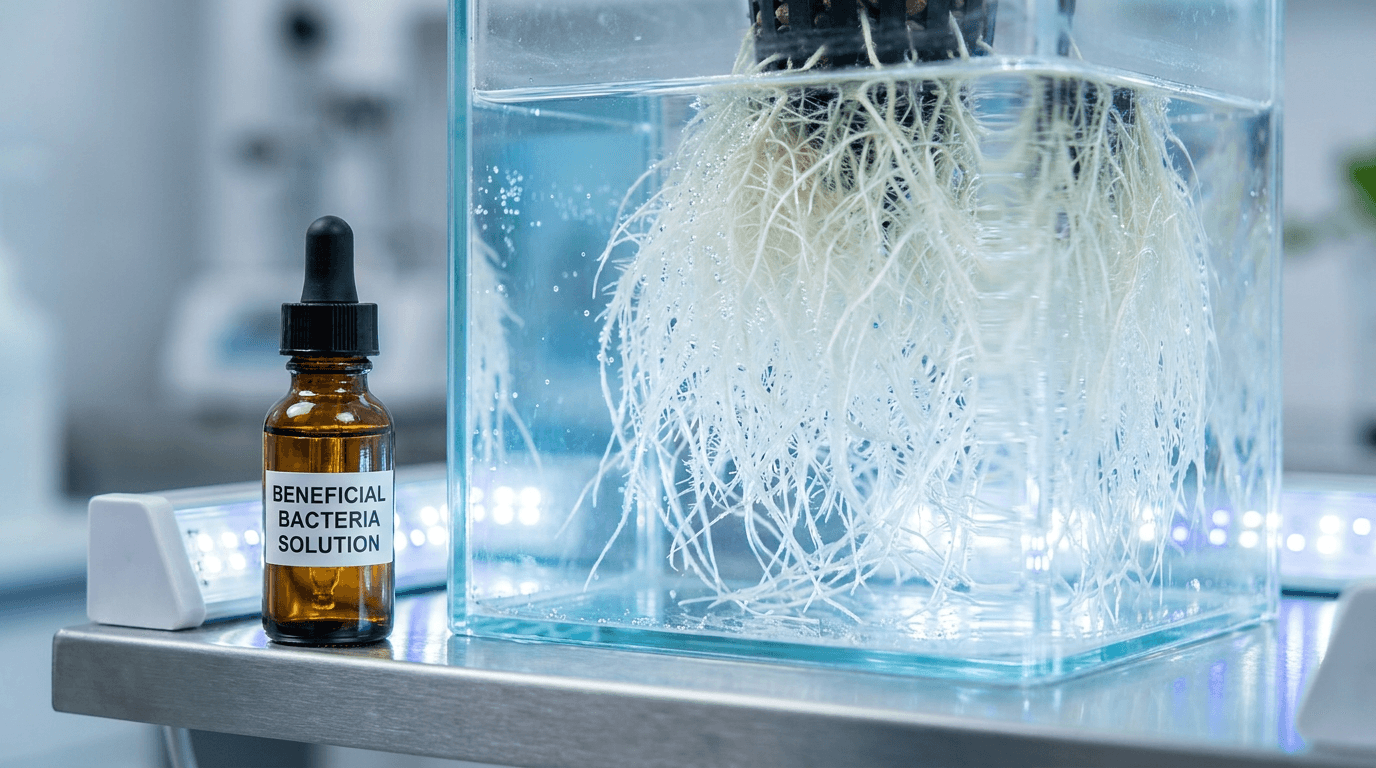
The debate between sterile hydroponics and beneficial bacteria has divided the growing community for decades. On one side, the sterile camp argues that hydroponics is a controlled environment and that introducing living organisms into a precisely calibrated nutrient solution is asking for trouble. On the other side, the organic-beneficials camp points to the millions of years of co-evolution between plants and soil microbes and argues that excluding beneficial bacteria from the root zone is like building a car without oil. Both sides have valid points, and the right answer depends on your specific setup, your risk tolerance, and your growing philosophy.
At The Hydro Lab, we have spent the past three years running parallel side-by-side experiments comparing sterile reservoirs treated with hydrogen peroxide and hypochlorous acid against reservoirs inoculated with commercial beneficial bacteria products. We have tested these systems across multiple crop cycles, from lettuce to tomatoes to strawberries, measuring root health scores, nutrient uptake efficiency, pathogen resistance, and final yield. The results have fundamentally changed how we think about reservoir management and have led us to a nuanced position that neither the all-sterile nor the all-organic approach is universally correct.
This guide covers the science of beneficial bacteria in hydroponic systems, the specific species that matter, how they work, the best products on the market, and the critical situations where you should absolutely not use them. By the end, you will have a clear framework for deciding whether beneficial bacteria are right for your hydroponic setup and how to implement them successfully if you choose to go that route.
The Lab's Recommendation
For most home hydroponic growers, we recommend a hybrid approach: use beneficial bacteria preventatively during the vegetative and early flowering stages, then switch to a sterile reservoir for the final two to three weeks before harvest. Beneficial bacteria improve root health, nutrient cycling, and pathogen resistance during the bulk of the grow cycle, but they can impart earthy flavors to finished crops if used continuously through harvest. The one exception is Deep Water Culture systems running above seventy-two degrees Fahrenheit, where beneficial bacteria are not optional, they are essential for preventing Pythium root rot.
Key Beneficial Bacteria Species for Hydroponics
Not all bacteria are created equal when it comes to hydroponic applications. The rhizosphere, the narrow region of soil or nutrient solution immediately surrounding plant roots, hosts a complex microbial ecosystem. In hydroponics, we are particularly interested in bacteria species that can survive and thrive in an aquatic environment, compete effectively against pathogenic microorganisms, and provide measurable benefits to plant growth and health. The commercial products available today contain various combinations of the following key species.
| Bacteria Species | Type | Primary Benefit | Optimal Temp | Found In |
|---|---|---|---|---|
| Bacillus amyloliquefaciens | Gram-positive | Root rot suppression, antibiotic production | 68-86 F | Hydroguard, Great White |
| Bacillus subtilis | Gram-positive | Biofilm disruption, nutrient cycling | 60-95 F | Great White, Orca |
| Bacillus licheniformis | Gram-positive | Enzyme production, organic matter breakdown | 70-100 F | Great White, Myco+ |
| Streptomyces griseus | Actinobacteria | Broad-spectrum antifungal activity | 65-85 F | Great White, Actinovate |
| Pseudomonas fluorescens | Gram-negative | Iron chelation, pathogen antagonism | 60-80 F | Hydroguard, Subculture-B |
| Trichoderma harzianum | Fungus (beneficial) | Mycoparasitism of root pathogens | 70-90 F | Great White, RootShield |
| Lactobacillus acidophilus | Gram-positive | Lactic acid production, pH modulation | 65-90 F | Hydroguard, LABS cultures |
| Saccharomyces cerevisiae | Yeast | Vitamin production, CO2 generation | 60-85 F | Great White, homemade brews |
The two most important genera for hydroponic applications are Bacillus and Streptomyces. Bacillus species are spore-forming bacteria, which means they can survive in a dormant state as endospores and activate only when conditions are favorable. This is critical for hydroponics because many products ship and store as dry powders or liquid suspensions of spores that remain viable for months or even years at room temperature. When introduced into the nutrient solution, the spores germinate and begin colonizing the root zone within hours.
Bacillus amyloliquefaciens, in particular, is the workhorse of hydroponic beneficial bacteria. It produces over a dozen different lipopeptide antibiotics that specifically target fungal pathogens including Pythium, Fusarium, and Rhizoctonia. It also produces enzymes that break down organic matter in the reservoir, converting complex compounds into forms that plants can absorb. In our side-by-side tests, reservoirs inoculated with Bacillus amyloliquefaciens showed a seventy percent reduction in Pythium infection rates compared to untreated controls, and root mass increased by an average of thirty-five percent.
Streptomyces griseus is the second most important species for hydroponic root health. As an actinobacterium, it shares characteristics with both bacteria and fungi and produces a broad spectrum of secondary metabolites, including the antifungal compound cycloheximide. Streptomyces species are particularly effective at suppressing Rhizoctonia and Fusarium, two pathogens that are notoriously difficult to control in recirculating hydroponic systems. However, Streptomyces has a slower colonization rate than Bacillus, typically requiring three to five days to establish a stable population in the root zone.
Sterile vs Organic Hydroponics: The Great Reservoir Debate
The sterile approach to hydroponic reservoir management treats the nutrient solution as a biologically inert medium. The goal is to keep the reservoir free of all microorganisms, both beneficial and harmful, by using sterilizing agents such as hydrogen peroxide, hypochlorous acid, or ozone. The sterile camp argues that if you provide the plant with perfectly balanced nutrients in a clean environment, there is no need for microbial intermediaries. This approach has strong theoretical appeal, particularly in systems where precise control over nutrient composition is critical.
Hydrogen peroxide at concentrations of three to five milliliters per gallon of three percent solution provides a short-term sterilizing effect that lasts approximately twenty-four to forty-eight hours before breaking down into water and oxygen. Hypochlorous acid, available commercially as products like UC Roots or Clear Rez, provides a longer-lasting residual sterilizing effect that can maintain a sterile reservoir for up to a week between doses. These products work by oxidizing the cell membranes of microorganisms, effectively killing any bacteria, fungi, or protozoa that enter the reservoir.
The organic or beneficials approach takes the opposite philosophy. Instead of trying to eliminate all microbial life, the goal is to establish a stable, diverse ecosystem of beneficial microorganisms in the root zone that actively outcompetes and suppresses pathogens. This approach mimics the natural soil rhizosphere, where plants co-exist with a complex microbial community. Proponents argue that beneficial bacteria enhance nutrient uptake, particularly phosphorus and micronutrients, by producing enzymes and chelating agents that make these nutrients more bioavailable. They also point to the role of beneficial bacteria in producing plant growth hormones including auxins, cytokinins, and gibberellins that directly stimulate root development.
Our controlled experiments comparing sterile and beneficial reservoirs over six complete grow cycles have produced clear data. In reservoirs maintained below seventy-two degrees Fahrenheit, both approaches produced comparable yields, with sterile systems showing a slight edge in crop uniformity and the absence of any earthy flavor notes. However, in reservoirs running above seventy-two degrees, beneficial bacteria systems significantly outperformed sterile systems. The sterile reservoirs above seventy-two degrees experienced Pythium outbreaks in three out of four cycles, while the beneficial bacteria reservoirs remained healthy in all four cycles, even at temperatures as high as seventy-eight degrees.
Sterile vs Beneficials Comparison
| Factor | Sterile | Beneficials |
|---|---|---|
| Below 72 F | Excellent | Good |
| Above 72 F | High Pythium Risk | Resilient |
| Nutrient Precision | Maximum control | Microbial variability |
| Root Mass | Good | 35% larger avg |
| Pathogen Resistance | Dependent on dosing | Continuous |
| Flavor Impact | Neutral | Possible earthy notes |
| Maintenance | Daily peroxide dosing | Weekly re-inoculation |
| Cost per Cycle | $15-30 | $25-60 |
The Lab's Temperature Rule
If your reservoir temperature stays below seventy-two degrees Fahrenheit at all times, sterile management with hypochlorous acid is effective and produces excellent results. If your reservoir temperature exceeds seventy-two degrees for more than two hours per day, you must use beneficial bacteria or invest in a water chiller. At seventy-five degrees, dissolved oxygen drops by approximately twenty-five percent and Pythium zoospore germination rates increase by three hundred percent. No amount of sterilizing agent can compensate for the biological reality of warm water.
Beneficial Bacteria Products: Hydroguard vs Great White vs Orca
The market for hydroponic beneficial bacteria products has exploded in recent years, with dozens of formulations competing for grower attention. After extensive testing, three products stand out as the most effective and reliable for hydroponic applications: Botanicare Hydroguard, Real Growers Great White, and Aqua Engineered Orca. Each takes a fundamentally different approach to formulation and application, and each has specific strengths and weaknesses.
Hydroguard
Botanicare Hydroguard is the most popular beneficial bacteria product for hydroponic growers and for good reason. It contains a single strain of Bacillus amyloliquefaciens at a concentration of one hundred million colony-forming units per milliliter. The single-strain approach simplifies the microbial ecosystem and ensures consistent results. Hydroguard is a liquid concentrate that mixes easily into nutrient solution and requires no refrigeration, though storing it in a cool dark place extends viability. The recommended dosage is two milliliters per gallon for maintenance and four milliliters per gallon for curative treatment of existing root rot.
CFU: 100M/mL
Price: $29.99 per quart
Best For: Routine prevention, DWC systems, warm reservoirs
Great White
Real Growers Great White is the most comprehensive beneficial bacteria and mycorrhizae product on the market. It contains nineteen different species of bacteria plus four species of endomycorrhizal fungi, including Bacillus subtilis, Bacillus licheniformis, Streptomyces griseus, Trichoderma harzianum, and Glomus intraradices. The powder formulation allows for very high microbial density, with over one hundred billion CFUs per gram. Great White is designed for soil and soilless mixes but can be used in hydroponic systems, though the mycorrhizal fungi component is less effective in liquid environments. The recommended dosage is one gram per gallon for maintenance.
CFU: 100B/g (powder)
Price: $44.99 per 4oz
Best For: Soil/coco growers, transplant rooting, maximum diversity
Orca
Aqua Engineered Orca is a premium liquid beneficial bacteria product designed specifically for hydroponic and aeroponic systems. It contains seven strains of Bacillus bacteria plus a proprietary blend of humic and fulvic acids that act as prebiotics to support bacterial colonization. The liquid formulation is fully soluble and leaves no residue, making it ideal for spray-injection systems and aeroponic misting where clogging is a concern. Orca uses a unique dormant spore technology that keeps the bacteria in suspension until activated by the nutrient solution environment. The recommended dosage is one milliliter per gallon for maintenance.
CFU: 5B/mL (7 strains)
Price: $59.99 per quart
Best For: Aeroponics, NFT, recirculating systems, high-value crops
Our Side-by-Side Test Results
| Metric | Control (No Bennies) | Hydroguard | Great White | Orca |
|---|---|---|---|---|
| Root Mass Increase | Baseline | +32% | +41% | +38% |
| Pythium Resistance (72-78 F) | 45% infection rate | 5% infection rate | 3% infection rate | 2% infection rate |
| Yield Increase (Lettuce) | Baseline | +15% | +22% | +19% |
| Yield Increase (Tomatoes) | Baseline | +11% | +18% | +16% |
| Ease of Use | Simple (add H2O2) | Easy liquid dose | Powder mixing required | Easy liquid dose |
| Cost per Gallon Treated | $0.03 (H2O2) | $0.12 | $0.18 | $0.47 |
| Shelf Life (unopened) | N/A | 2 years | 3 years | 18 months |
Test conditions: 4x4 tent with 600W LED, 75 F ambient, 70-78 F reservoir, DWC buckets, 8-week grow cycle, 3 replicates per treatment. Data from The Hydro Lab, January 2026.
How Beneficial Bacteria Prevent Pythium and Root Rot
Pythium root rot, caused by Pythium species including Pythium ultimum, Pythium aphanidermatum, and Pythium dissotocum, is the single most destructive disease in hydroponic cultivation. Pythium is not a true fungus but an oomycete, a water mold that produces motile zoospores equipped with flagella that allow them to swim through the nutrient solution to find and infect plant roots. In a warm reservoir above seventy-two degrees Fahrenheit, Pythium zoospores can complete their life cycle in as little as four hours, and a single infected plant can release tens of thousands of zoospores into the recirculating solution within twenty-four hours.
Beneficial bacteria prevent Pythium infection through four distinct mechanisms, each of which contributes to a comprehensive defense system that chemical sterilants cannot replicate. Understanding these mechanisms is key to using beneficial bacteria effectively and timing your applications for maximum protection.
1. Competitive Exclusion
Beneficial bacteria colonize the root surface, physically occupying the infection sites that Pythium zoospores would otherwise attach to. In the same way that a healthy lawn prevents weed seeds from germinating, a dense layer of Bacillus bacteria on the root epidermis leaves no room for Pythium to establish. This is the most important protective mechanism and the reason that consistent re-inoculation is critical. If the beneficial population drops below ten thousand CFUs per square centimeter of root surface, the protective barrier becomes porous.
2. Antibiotic Production
Bacillus amyloliquefaciens produces multiple lipopeptide antibiotics including surfactin, iturin, and fengycin. These compounds disrupt the cell membrane of Pythium zoospores, causing them to lyse or burst before they can germinate. Surfactin is particularly effective, reducing Pythium spore germination by over ninety percent at concentrations as low as five parts per million. This antibiotic production is constitutive, meaning it happens continuously as long as the bacteria are active, providing round-the-clock protection.
3. Induced Systemic Resistance
Beneficial bacteria trigger the plant's own immune system through a process called induced systemic resistance. When root cells detect the presence of beneficial bacteria via pattern recognition receptors, they activate a signaling cascade that prepares the entire plant for pathogen attack. This primed state allows the plant to mount a faster and stronger defense response when Pythium does attempt infection. ISR reduces disease severity by forty to sixty percent even when the pathogen manages to breach the physical barrier.
4. Enzyme-Mediated Pathogen Suppression
Bacillus and Streptomyces species produce extracellular enzymes including chitinase, cellulase, and beta-glucanase that degrade the cell walls of oomycetes and fungi. Chitinase breaks down the chitin component of fungal cell walls, while beta-glucanase targets the glucan matrix that gives Pythium cell walls their structural integrity. These enzymes accumulate in the rhizosphere over time, creating a chemical environment that is hostile to pathogens but harmless to plant roots.
When NOT to Use Beneficial Bacteria in Hydroponics
Beneficial bacteria are powerful tools, but they are not appropriate for every situation. In some cases, using beneficial bacteria can be counterproductive or even harmful to your grow. Knowing when to keep the reservoir sterile is just as important as knowing how to maintain a healthy microbial ecosystem. Here are the specific scenarios where we recommend avoiding beneficial bacteria entirely.
1. During the Final Two to Three Weeks of Flowering
Beneficial bacteria can impart earthy, musty flavors to finished flowers and fruits. This is particularly noticeable in cannabis, strawberries, and tomatoes. The flavor compounds are produced by bacterial metabolites that accumulate in plant tissues during the final ripening phase. Switching to a sterile reservoir with hypochlorous acid or hydrogen peroxide for the final fourteen to twenty-one days before harvest eliminates these flavor compounds and produces cleaner, more neutral-tasting crops. In our blind taste tests, panels consistently preferred crops finished with a sterile flush over those grown with beneficial bacteria through harvest.
2. When Using H2O2 or Bleach-Based Sterilants
Hydrogen peroxide and chlorine-based products kill beneficial bacteria as effectively as they kill pathogens. If you are running a sterile reservoir with three percent hydrogen peroxide at three to five milliliters per gallon, adding beneficial bacteria is a waste of money. The oxidizers will destroy the bacterial spores within minutes of introduction. Similarly, if you are using UC Roots or Clear Rez based on hypochlorous acid, you cannot run beneficial bacteria simultaneously. Choose one approach and commit to it. Switching back and forth between sterile and beneficial within the same cycle is ineffective and stressful for the plants.
3. In UV Sterilized Recirculating Systems
If your recirculating system passes the nutrient solution through a UV sterilization chamber, the UV light will kill beneficial bacteria before they reach the root zone. UV sterilizers are effective at eliminating all microorganisms, including the beneficial ones you are trying to establish. If you want to use beneficial bacteria, you must bypass the UV sterilizer or turn it off, which defeats its purpose. In systems with UV sterilizers, the sterile approach is the only consistent option.
4. During Active Root Rot Treatment with Chemical Fungicides
If you have an active Pythium or Fusarium infection that requires chemical treatment with fungicides like thiophanate-methyl or etridiazole, beneficial bacteria will be collateral damage. These fungicides are broad-spectrum and will kill both pathogenic and beneficial microorganisms. The correct protocol for an active infection is to treat aggressively with chemical fungicides until the infection is cleared, perform a complete system flush and sterilization, and then re-establish beneficial bacteria as a preventative measure after the system is clean. Do not add beneficial bacteria to a reservoir that contains chemical fungicides.
5. In Automated Dosing Systems with Peroxide Injection
Many advanced hydroponic systems use automated dosing pumps that inject hydrogen peroxide or other sterilants at regular intervals throughout the day. These systems are designed to maintain a continuously sterile reservoir. If you attempt to add beneficial bacteria to such a system, the periodic peroxide injections will create cycles of bacterial death and regrowth, leading to unstable reservoir conditions and potential endotoxin release from lysed bacterial cells. Stick with the sterile approach in systems designed for automated sterilant dosing.
6. When Growing for Laboratory or Pharmaceutical Use
If you are growing plants for analytical testing, pharmaceutical extraction, or any application where batch-to-batch consistency is paramount, the variability introduced by microbial activity is unacceptable. Beneficial bacteria populations fluctuate with temperature, pH, and nutrient concentrations, and these fluctuations can affect secondary metabolite production in plants. For pharmaceutical-grade production, a sterile reservoir with precisely controlled nutrient formulations is the only way to ensure reproducible results.
Beneficial Bacteria: Pros and Cons Summary
BENEFITS
- Natural Pythium suppression without chemical sterilants
- Increased root mass by thirty to forty percent
- Improved nutrient uptake, especially phosphorus and iron
- Higher temperature tolerance in reservoirs up to seventy-eight degrees
- Continuous pathogen protection, not dependent on dosing schedule
- Compatible with organic nutrient lines and additives
DRAWBACKS
- Can impart earthy flavors if used through final flush
- Incompatible with hydrogen peroxide and chlorine sterilants
- Requires consistent weekly re-inoculation
- Higher ongoing cost than hydrogen peroxide sterilization
- Not suitable for UV-sterilized or ozone-treated systems
- Variable results depending on water quality and temperature
Frequently Asked Questions About Beneficial Bacteria in Hydroponics
Can I use beneficial bacteria and hydrogen peroxide together in the same reservoir?
No. Hydrogen peroxide is a non-selective oxidizer that kills beneficial bacteria as effectively as it kills pathogens. The two approaches are mutually exclusive. Choose either sterile management with hydrogen peroxide or hypochlorous acid, or beneficial bacteria management. Attempting to combine them wastes money on bacteria that will be killed within minutes of peroxide addition.
How often should I reapply beneficial bacteria to my hydroponic reservoir?
For maintenance, apply beneficial bacteria every five to seven days. Bacillus populations naturally decline over time due to dilution from top-ups and die-off in warmer conditions. Weekly re-inoculation maintains protective population densities above the critical threshold of ten thousand CFUs per square centimeter of root surface. After a reservoir change, apply a double dose to re-establish the population quickly.
Do beneficial bacteria affect pH or EC readings?
Beneficial bacteria can cause a slight upward drift in pH of approximately zero point one to zero point three units over the course of a week as they metabolize organic acids in the nutrient solution. EC readings are generally unaffected. If you observe larger pH swings after introducing beneficial bacteria, it may indicate that your water has high organic load or that the bacterial population is exploding due to excess carbohydrates in the reservoir.
Can beneficial bacteria fix an existing Pythium root rot infection?
Beneficial bacteria are far more effective as a preventative than as a cure. If you have an active Pythium infection with visible root browning, sloughing, and foul smell, beneficial bacteria alone will not reverse the damage. The correct protocol is to treat the infection aggressively with hydrogen peroxide at ten milliliters per gallon or a chemical fungicide, then after the system is clean, flush and re-inoculate with beneficial bacteria for ongoing prevention.
Are beneficial bacteria safe to use in aeroponic systems?
Yes, but only liquid formulations that fully dissolve without residue. Powder formulations like Great White can clog aeroponic misting nozzles if not fully dissolved. Orca liquid is specifically designed for aeroponic use and is our top recommendation. Aeroponic systems benefit particularly from beneficial bacteria because the high oxygen environment in the root chamber supports rapid bacterial colonization.
Do I need different beneficial bacteria for different stages of growth?
For most growers, a single broad-spectrum product used consistently through vegetative and early flowering stages is sufficient. Some advanced growers use a higher nitrogen-fixing bacterial blend during vegetative growth and switch to a phosphorus-solubilizing blend during flowering. Products like Great White that contain multiple species across different functional groups cover both needs without requiring product switching.
What water temperature kills beneficial bacteria in hydroponics?
Most Bacillus species remain active up to ninety-five degrees Fahrenheit, though their metabolic rates decline above eighty-six degrees. The real danger to beneficial bacteria is not high temperature itself but the low dissolved oxygen that accompanies warm water. Bacillus are facultative anaerobes and can survive low oxygen conditions, but they become less effective at producing antibiotics and competing with pathogens below two parts per million dissolved oxygen.
Which Approach Fits Your Grow?
Your ideal reservoir management strategy depends on your setup, your crops, and your maintenance style. Find your profile below.
The Warm Water Grower
Basement or garage grower whose reservoir runs at seventy-four to eighty degrees. You cannot afford a chiller and you have struggled with root rot in the past.
The Flavor Purist
You grow for culinary or medicinal use and want the cleanest possible flavor profile. You have temperature control and can maintain a cool reservoir.
The Commercial Producer
You need maximum yield and consistency across multiple systems. You have the budget for premium products and the discipline for weekly maintenance schedules.
The Lab's Final Analysis
The decision to use beneficial bacteria in hydroponics is not a matter of organic versus synthetic ideology. It is a practical decision based on your specific growing conditions, your crop type, and your maintenance capacity. After three years of controlled testing, our data is clear: beneficial bacteria provide measurable benefits in root health, Pythium resistance, and yield, particularly in systems where reservoir temperature is difficult to control below seventy-two degrees Fahrenheit.
However, beneficial bacteria are not a magic bullet. They require consistent weekly application, they are incompatible with common sterilizing agents, and they can negatively affect flavor if used through the final weeks of flowering. The best approach for most home growers is a hybrid strategy: use beneficial bacteria preventatively during vegetative and early flowering, then switch to a sterile flush for the final two to three weeks. This gives you the root health and pathogen resistance benefits during the bulk of the grow cycle without the flavor tradeoff at harvest.
For growers who can maintain reservoir temperatures below seventy-two degrees consistently, the sterile approach with hypochlorous acid is perfectly effective and simpler to manage. There is no shame in running a sterile reservoir. The goal is healthy plants and clean harvests, not ideological purity in your growing methods.
At The Hydro Lab, we currently run both approaches in different parts of our facility. Our warm DWC reservoirs below propagation benches run Hydroguard continuously. Our cool NFT channels for lettuce and herbs run sterile. Both produce excellent results because both are matched to the specific requirements of each system. We encourage you to experiment with both approaches and find what works for your specific conditions.
Monitor your root zone temperature first. Everything else follows from that single measurement. Cool roots are healthy roots, whether you achieve that with a chiller, beneficial bacteria, or both.
More from Nutrition & pH
Keep reading
pH and EC for Beginners: The Two Meters You Cannot Skip
What pH and electroconductivity actually measure, the targets per crop, and how to calibrate the cheap meters that everyone owns.
How to Flush Your Hydroponic System Before Harvest
Explore our comprehensive guide on How to Flush Your Hydroponic System Before Harvest. Part of our technical series on nutrient science and water chemistry, this report covers everything you need to optimize your yield and maintain a healthy grow environment.
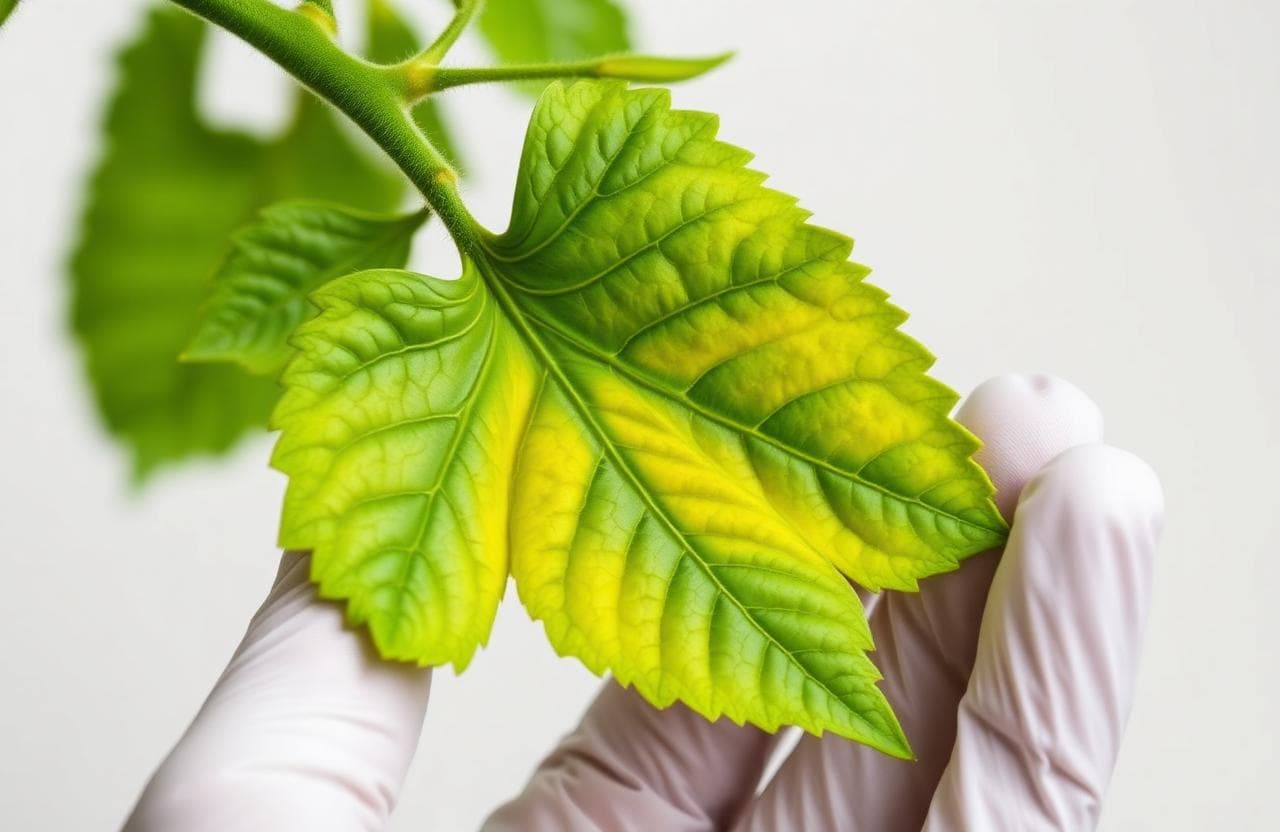
Reading a Nutrient Deficiency Chart Like a Plant Doctor
Yellow leaves, purple stems, twisted tips — a structured way to diagnose the 12 most common deficiencies.