
pH and EC for Beginners: The Two Meters You Cannot Skip
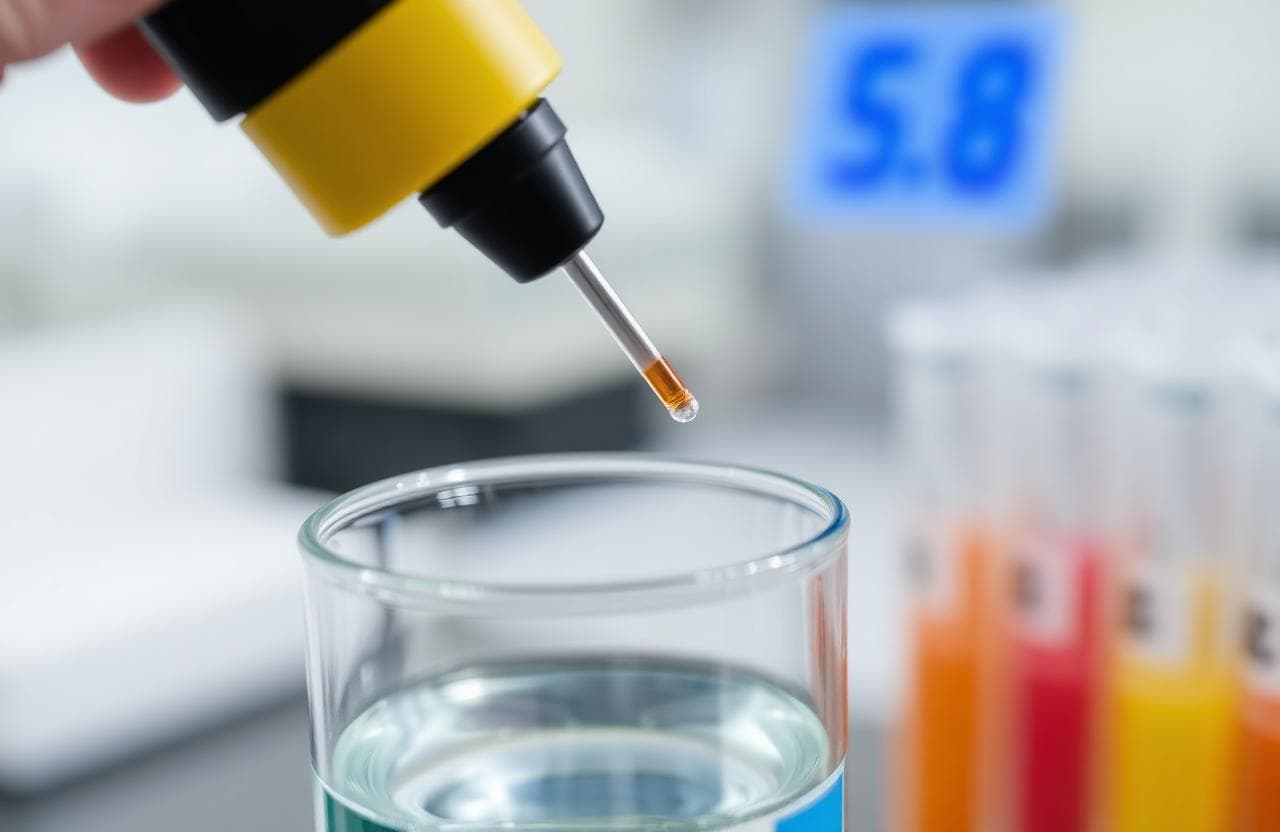
Two instruments separate successful hydroponic growers from those who struggle with sickly plants and disappointing harvests: a pH meter and an EC meter. Every experienced grower owns both, uses them daily, and understands what the numbers mean. Yet beginners consistently try to skip this investment, relying on guesswork, measuring spoons, and faith. Hydroponics is not a faith-based practice. The nutrient solution is a precisely engineered chemical environment, and measuring its properties is not optional.
pH measures how acidic or alkaline your nutrient solution is on a scale of zero to fourteen. It determines which nutrients are available for plant uptake and which are chemically locked out. EC, or electrical conductivity, measures the concentration of dissolved nutrient salts in your water. Together, these two numbers tell you exactly what your plants can access and how much food is available. This guide will teach you what they mean, how to measure them correctly, and how to react when they drift outside the optimal range.
The Lab's Verdict
Buy a combined pH and EC meter from a reputable manufacturer before you buy your first plant. A quality meter costs between thirty and sixty dollars and will last for years with proper calibration. The cost of a single failed crop due to pH lockout or nutrient burn will be ten times that amount. Calibrate your pH meter weekly and your EC meter monthly. An uncalibrated meter is worse than no meter at all because it gives you false confidence in incorrect data.
pH: The Nutrient Gatekeeper
pH controls which nutrients dissolve in your nutrient solution and which ones precipitate out as solid compounds that plants cannot absorb. Think of pH as a gatekeeper that opens and closes doors for individual nutrients. At a pH of five point five, all essential nutrients are readily available. As pH rises above six point five, iron, manganese, boron, copper, and zinc begin to precipitate out of solution. Your plants may be swimming in nutrients that they cannot access.
| pH Range | Nutrient Availability | Likely Symptoms |
|---|---|---|
| < 5.0 | Toxic levels of iron and manganese | Stunted roots, brown spots on leaves |
| 5.5 - 6.2 | All nutrients available | Healthy growth, deep green leaves |
| 6.5 - 7.0 | Iron and manganese deficiency begins | Yellowing between leaf veins (new growth) |
| > 7.0 | Phosphorus, iron, zinc, copper locked out | Purple stems, yellow new leaves, poor flowering |
For most hydroponic crops, the sweet spot is five point five to six point two. Within this range, the widest possible array of nutrients remains soluble and available for root uptake. Different crops have slightly different preferences, but this range covers ninety percent of common hydroponic vegetables and herbs. Lettuce prefers the lower end around five point five to five point eight, while tomatoes and strawberries perform better at six point zero to six point two.
EC: How Much Food Is in the Water
Electrical conductivity, measured in millisiemens per centimeter, tells you the total concentration of dissolved salts in your nutrient solution. This includes both the nutrients you added deliberately and any minerals already present in your source water. EC does not tell you which nutrients are present or in what ratios, but it gives you a reliable proxy for overall nutrient strength.
When EC is too low, your plants are underfed and will show signs of nutrient deficiency: pale leaves, slow growth, and reduced yields. When EC is too high, your plants are overfed and may suffer from nutrient burn: leaf tip necrosis, downward curling of leaf edges, and root damage. The target EC range varies by crop and growth stage, but general guidelines are reliable.
Target EC by Crop (mS/cm)
- Lettuce & herbs: 0.8 - 1.2
- Leafy greens (kale, spinach): 1.2 - 1.6
- Tomatoes (vegetative): 1.6 - 2.0
- Tomatoes (fruiting): 2.4 - 3.0
- Strawberries: 1.4 - 1.8
- Peppers: 2.0 - 2.5
Calibration: It Is Not Optional
This is the most important section in this guide. pH meters drift. The measurement probe is a glass electrode that gradually loses accuracy with use. A pH meter that was accurate two weeks ago can be off by half a unit today, which is enough to push your nutrient solution from the optimal range into deficiency territory without you noticing anything unusual.
pH Meter Calibration
- Frequency: Weekly
- Solutions: pH 4.0 and pH 7.0 buffer
- Process: Rinse with distilled water. Dip in pH 7.0. Calibrate. Rinse. Dip in pH 4.0. Calibrate.
- Storage: Always store with cap filled with storage solution, not distilled water.
EC Meter Calibration
- Frequency: Monthly
- Solution: 1413 uS/cm standard
- Process: Rinse with distilled water. Dip in standard. Adjust reading to 1.413 mS/cm.
- Note: EC meters drift less than pH meters but still require regular checks.
Meter Comparison: What to Buy
Not all meters are created equal. We have tested eleven different pH and EC meters at The Hydro Lab over the past two years, ranging from eight-dollar budget pens to two-hundred-dollar laboratory-grade instruments. The results confirm that price correlates with reliability but not always with accuracy. Here is how the most common options compare.
| Meter | Type | Price | Accuracy | Replaceable Probe | Our Verdict |
|---|---|---|---|---|---|
| Apera Instruments PH60 | pH only | $58 | +- 0.01 | Yes | Best value |
| BlueLab Combo | pH + EC + temp | $129 | +- 0.01 pH, +- 0.1 EC | Yes | Premium pick |
| HM Digital PH-200 | pH only | $35 | +- 0.02 | No | Budget option |
| Vivosun pH/EC/TDS | Combo | $22 | +- 0.1 pH, +- 0.2 EC | No | Acceptable starter |
| Milwaukee MW102 | pH only | $85 | +- 0.02 | Yes | Lab grade |
| Generic yellow pens | pH or EC | $8-15 | +- 0.3 pH, +- 0.5 EC | No | Avoid |
The single most important feature to look for is a replaceable probe. A pH probe is a consumable component that lasts six to eighteen months depending on usage and care. When the probe fails on a meter with a non-replaceable probe, the entire meter becomes e-waste. Meters with replaceable probes cost more upfront but last five to ten years with proper maintenance. Budget at least fifteen dollars per year for replacement probes and calibration solutions combined.
Common pH and EC Problems
pH Drifting Upward
pH naturally rises over time in recirculating systems because plants absorb nitrate ions, which are acidic, leaving behind alkaline ions. A pH drift of 0.1 to 0.2 per day is normal. If pH rises by more than 0.5 per day, your nutrient solution may be too concentrated or your water source may have high alkalinity. Test your source water alkalinity with a KH test kit. If alkalinity exceeds 100 ppm CaCO3, consider blending with RO water or adding a pH stabilizer product.
pH Drifting Downward
pH dropping indicates that plants are absorbing more cations than anions, or that organic acids are building up in the system. This is less common than upward drift but more dangerous because low pH below five point zero causes rapid root damage. The most frequent cause is a nutrient formulation that is too heavy on ammonium-based nitrogen. Switch to a nitrate-dominant nutrient formula. In DWC systems, inadequate aeration can also cause pH drop because anaerobic bacteria produce organic acids.
EC Climbing Between Reservoir Changes
EC rises as plants consume water faster than they consume nutrients, concentrating the remaining solution. A slow EC rise of 0.1 to 0.3 mS/cm per day is normal. If EC rises by more than 0.5 mS/cm per day, your plants are transpiring heavily but not feeding proportionally. This can indicate that environmental conditions are driving excessive transpiration, such as low humidity or high temperature. Reduce the light intensity or increase humidity to slow water consumption. Top up with plain water, never with nutrient solution, between reservoir changes.
Frequently Asked Questions
Can I use pH test drops instead of a digital meter?
Liquid pH test drops can work in a pinch, but they are not precise enough for hydroponics. Most test kits read in increments of 0.5 pH units, while you need to maintain your nutrient solution within a 0.7 pH unit wide window. A colorimetric test cannot reliably distinguish between pH 5.8 and pH 6.2, which is the difference between optimal nutrient availability and early iron deficiency. Spend the thirty dollars on a digital meter.
How long do pH calibration solutions last after opening?
Opened pH calibration buffer solutions have a shelf life of approximately three to six months. Contamination from dipping an unrinsed probe into the bottle is the primary cause of degradation. To extend the life of your calibration solutions, pour a small amount into a separate clean cup for each calibration session and never dip the probe directly into the storage bottle. Discard the used solution after each session. Store all calibration solutions in a cool, dark place and replace them every six months regardless of usage.
Should I measure EC or TDS? What is the difference?
EC (electrical conductivity in mS/cm or uS/cm) is the direct measurement of how well the nutrient solution conducts electricity. TDS (total dissolved solids in ppm) is calculated from EC using a conversion factor. The problem is that different manufacturers use different conversion factors. One meter might report 500 ppm for a solution that another meter reports 700 ppm. Always use EC for consistency. If your meter only displays TDS, look for a mode switch or divide the ppm reading by 500 to approximate EC in mS/cm.
My pH reading is jumping around. What is wrong?
An unstable pH reading that jumps by more than 0.1 units while the probe is stationary in the solution usually indicates a problem with the probe. First, check that the probe tip is fully submerged and free of air bubbles. Swirl the probe gently to dislodge any bubbles. If the reading continues to jump, clean the probe tip with a soft toothbrush and mild detergent, then soak it in storage solution for one hour. If instability persists, the probe has reached the end of its service life and needs replacement.
Do I need to adjust pH before or after adding nutrients?
Always adjust pH after mixing nutrients. Nutrient concentrates are acidic and will lower the pH of your water significantly. If you adjust pH before adding nutrients and then add your A and B bottles, the pH will drop by 1.0 to 2.0 units, potentially landing below your target range. For example, if your tap water starts at pH 7.2 and you add ten milliliters of A and B nutrients per gallon, the final pH could drop to 5.4 or lower depending on the buffering capacity of your water source. Test your water source pH before and after adding nutrients to understand your specific baseline shift. For example, if your tap water starts at pH 7.2 and you add ten milliliters of A and B nutrients per gallon, the final pH could drop to 5.4 or lower depending on the buffering capacity of your water source. Test your water source pH before and after adding nutrients to understand your specific baseline shift. Mix your nutrients first, stir thoroughly, wait five minutes for the solution to stabilize, then measure and adjust pH. This sequence ensures consistent and repeatable results.
Can I use vinegar or lemon juice to lower pH?
Do not use organic acids like vinegar or lemon juice for pH adjustment in hydroponics. These are weak acids that provide temporary pH drops followed by rapid rebound as microbes in the system metabolize the organic compounds. Within twenty-four hours, the pH will return to its previous level or higher. Use commercial pH Down solutions based on phosphoric or nitric acid. These mineral acids provide stable pH adjustment and the phosphorus or nitrogen they contain is beneficial to your plants.
Can I reuse pH calibration solution?
Never reuse pH calibration solution. Once a probe has been dipped into a calibration solution, the solution is contaminated with ions from the probe tip and from the previous solution being measured. Using contaminated calibration solution will result in inaccurate calibration and drift. Always pour fresh calibration solution for each session and discard it immediately after use. A fifty-milliliter bottle of pH 7.0 and pH 4.0 buffer costs approximately eight dollars and will last for twenty to thirty calibration sessions if used properly.
Can I reuse pH calibration solution?
Never reuse pH calibration solution. Once a probe has been dipped into a calibration solution, the solution is contaminated with ions from the probe tip and from the previous solution being measured. Using contaminated calibration solution will result in inaccurate calibration and drift. Always pour fresh calibration solution for each session and discard it immediately after use. A fifty-milliliter bottle of pH 7.0 and pH 4.0 buffer costs approximately eight dollars and will last for twenty to thirty calibration sessions if used properly.
What temperature should my calibration solutions be?
Calibration solutions should be at the same temperature as your nutrient solution for the most accurate calibration. pH measurements are temperature-dependent. A pH meter calibrated at 20 degrees Celsius will read approximately 0.03 units differently at 30 degrees Celsius. For most home growers, this difference is negligible, but for precise work, store your calibration solutions in the same room as your reservoir and allow them to reach room temperature before calibrating. EC meters automatically compensate for temperature in most modern models.
How do I clean my pH meter probe?
Clean your pH meter probe monthly or whenever you notice slow response time. Soak the probe tip in a commercial probe cleaning solution for fifteen minutes, then rinse with distilled water. If you do not have cleaning solution, a mixture of one part mild dish soap to ten parts distilled water works. Never scrub the glass bulb with abrasive materials. After cleaning, soak the probe in storage solution for at least one hour before recalibrating. Protein and mineral buildup on the probe surface is the most common cause of drifting readings in meters older than six months.
How do I clean my pH meter probe?
Clean your pH meter probe monthly or whenever you notice slow response time. Soak the probe tip in a commercial probe cleaning solution for fifteen minutes, then rinse with distilled water. If you do not have cleaning solution, a mixture of one part mild dish soap to ten parts distilled water works. Never scrub the glass bulb with abrasive materials. After cleaning, soak the probe in storage solution for at least one hour before recalibrating. Protein and mineral buildup on the probe surface is the most common cause of drifting readings in meters older than six months.
Which Tester Are You?
Choose the right tool for your experience level and budget.
The Budget-Conscious Beginner
Starting your first hydroponic system. A combined pH/EC meter under thirty dollars plus calibration solutions will get you growing with confidence immediately.
The Precision Grower
You measure everything and optimize every variable. A premium meter with replaceable probe and ATC gives you lab-quality readings you can trust for critical decisions.
The Multi-System Manager
Running multiple reservoirs across different tents. A backup meter and spare probes for each system ensure you never lose a day of data collection.
The Lab's Final Analysis
pH and EC measurement is not advanced hydroponics. It is the absolute minimum requirement for growing plants in a soil-less system. Without these two measurements, you are gardening blind. With them, you have the data you need to make informed decisions about nutrient dosing, water changes, and system adjustments.
The meters themselves are inexpensive and simple to use. The discipline of regular calibration is the only challenging part. Build a habit: every Sunday morning, calibrate your pH meter. Every first of the month, calibrate your EC meter. Write the dates on a calendar. Your plants will reward you with vigorous growth and abundant harvests. Understand the common drift patterns in your system and you will catch problems before they become visible as plant symptoms.
If you own only one tool for hydroponics, make it a combined pH and EC meter. If you own two, make the second a backup meter. Never trust a reading from an uncalibrated instrument.
More from Nutrition & pH
Keep reading
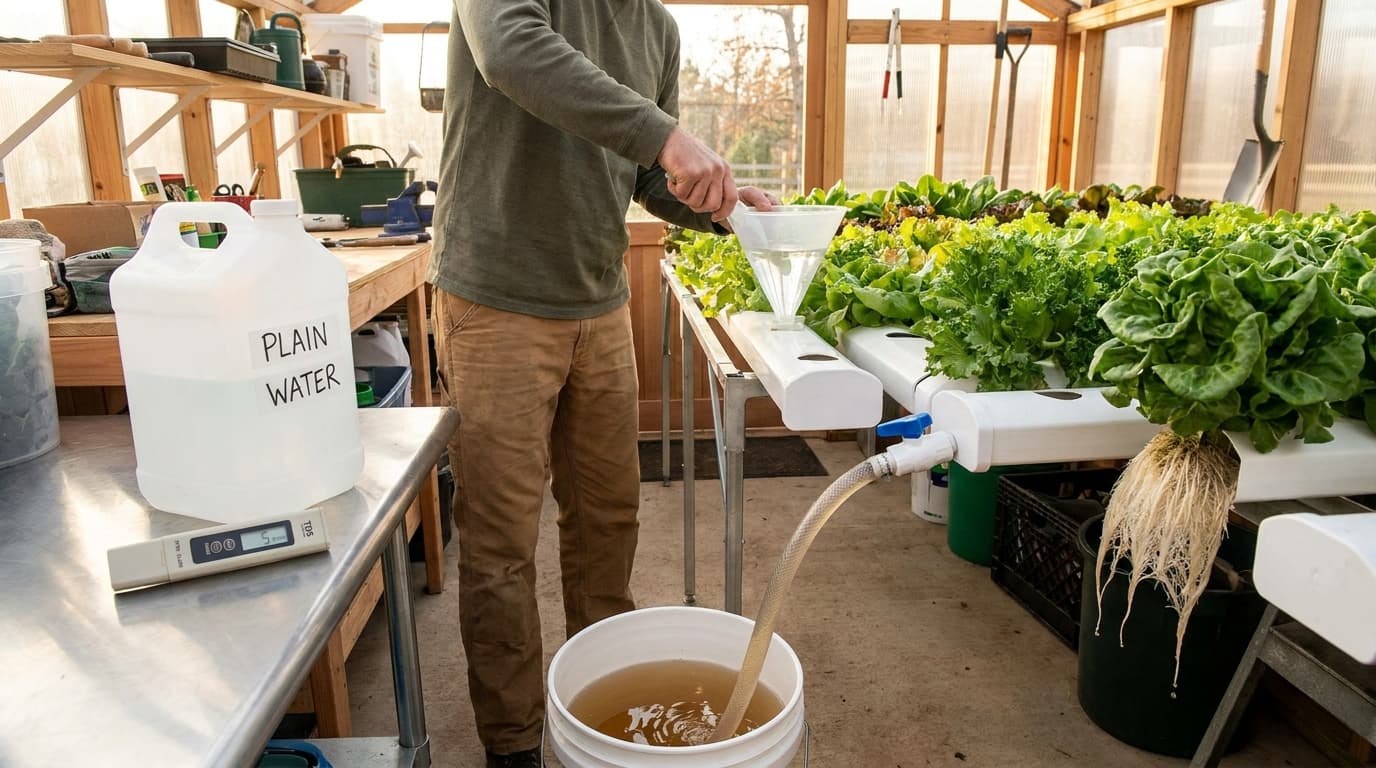
How to Flush Your Hydroponic System Before Harvest
Explore our comprehensive guide on How to Flush Your Hydroponic System Before Harvest. Part of our technical series on nutrient science and water chemistry, this report covers everything you need to optimize your yield and maintain a healthy grow environment.
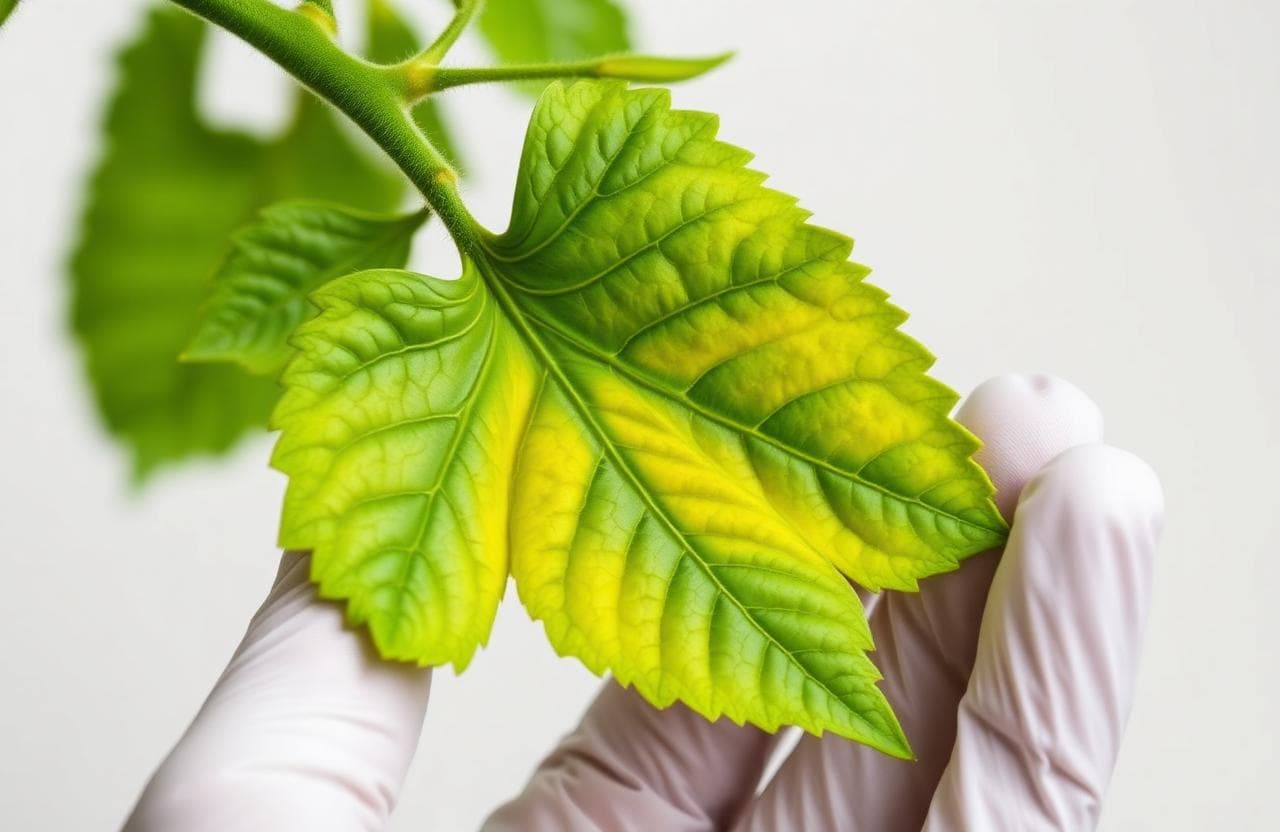
Reading a Nutrient Deficiency Chart Like a Plant Doctor
Yellow leaves, purple stems, twisted tips — a structured way to diagnose the 12 most common deficiencies.
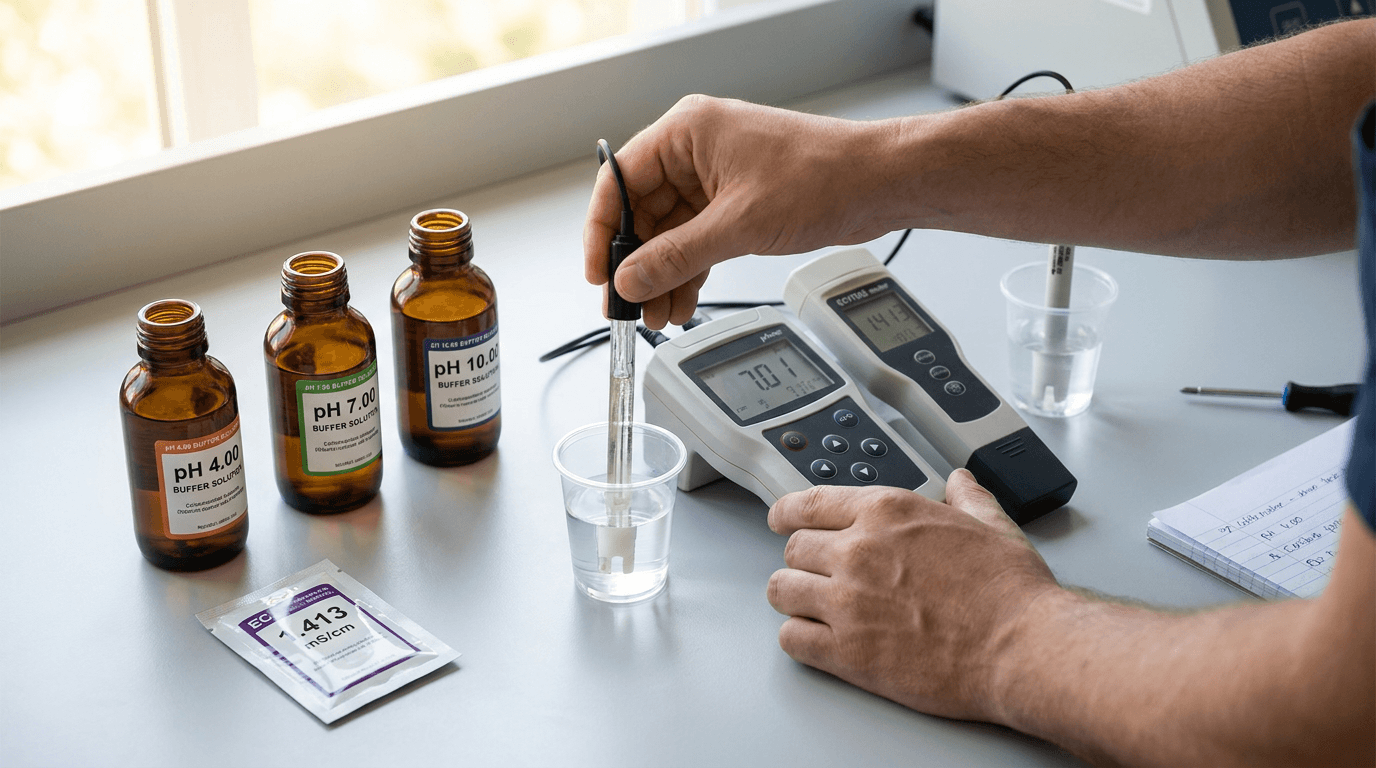
How to Calibrate Your pH and EC Meters Properly
Explore our comprehensive guide on How to Calibrate Your pH and EC Meters Properly. Part of our technical series on nutrient science and water chemistry, this report covers everything you need to optimize your yield and maintain a healthy grow environment.