
Growing Gourmet Mushrooms Indoors: Lion's Mane, Oyster, and Pink
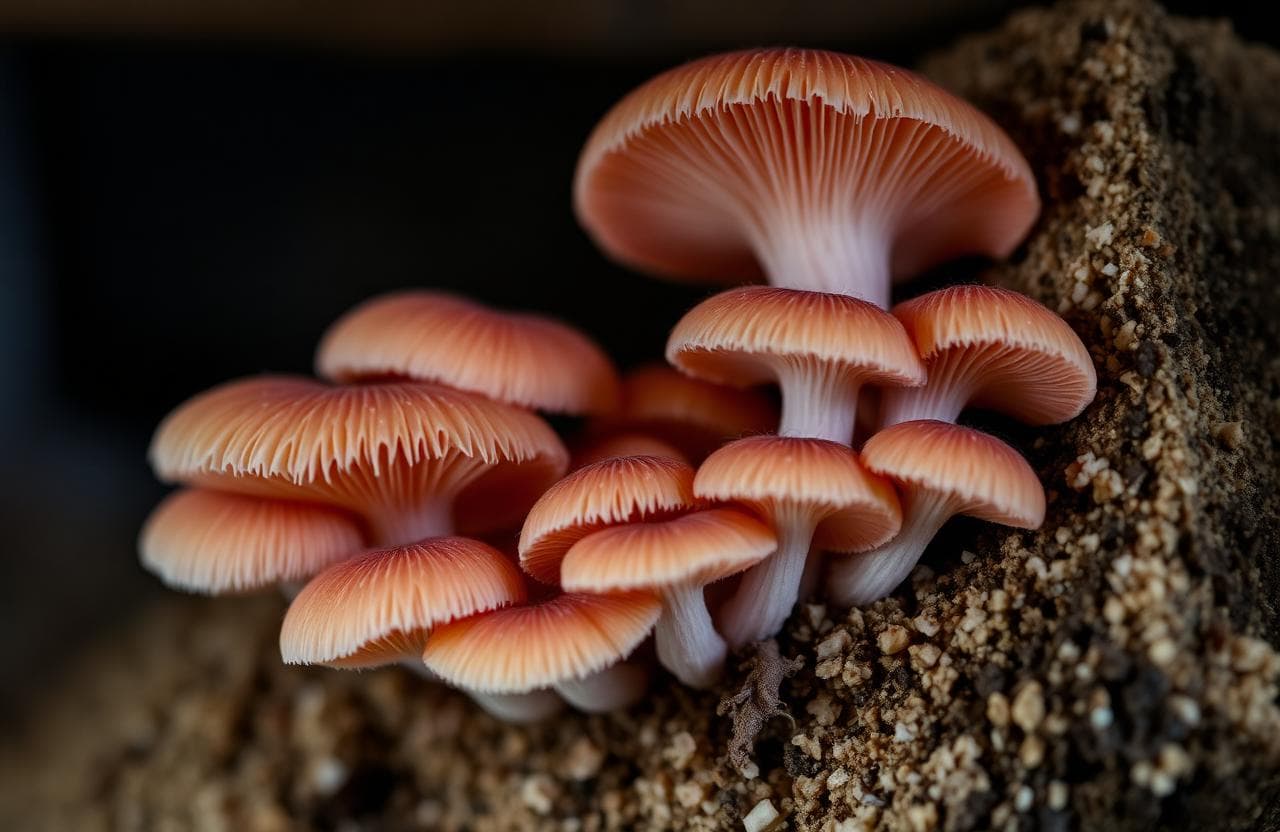
Mushrooms are not hydroponic in the traditional sense, but they share the indoor growing environment perfectly alongside your hydroponic vegetables. While your lettuce and tomatoes demand light and nutrients, mushrooms need darkness, humidity, and a sterile substrate. The two systems complement each other beautifully, using the same climate control infrastructure for different purposes and allowing you to harvest two distinct crops from the same grow room.
Growing gourmet mushrooms indoors is surprisingly simple with the right species and setup. Pink oysters can go from substrate to harvest in ten days. Blue oysters tolerate temperature fluctuations that would destroy other crops. Lion's Mane is one of the most medicinal mushrooms in the world, and it is also one of the easiest to grow at home. This guide covers three beginner-friendly species and two fruiting chamber setups that work in any indoor garden, along with detailed substrate recipes and harvesting techniques.
The Lab's Verdict
Pink oyster mushrooms are the best starting point for any indoor mushroom grower. They fruit aggressively at room temperature, require no specialized equipment beyond a humidity tent, and produce beautiful, flavorful mushrooms in under two weeks. Lion's Mane is our recommendation for the more ambitious grower, offering medicinal benefits and a texture that makes an excellent seafood substitute. Both species can be grown successfully on supplemented hardwood sawdust blocks with a ninety percent success rate.
Three Beginner Species Compared
| Species | Time to Harvest | Fruiting Temperature | Humidity | Difficulty | Yield per 5lb Block |
|---|---|---|---|---|---|
| Pink Oyster | 10-14 days | 20-28 C | 80-90% | Easy | 400-600 g |
| Blue Oyster | 14-18 days | 15-24 C | 85-95% | Easy | 300-500 g |
| Lion's Mane | 18-25 days | 18-24 C | 85-95% | Medium | 250-400 g |
Substrate Preparation
The substrate is the food source for your mushrooms, and its composition directly affects yield and flavor. For oyster mushrooms, the ideal substrate is a mix of seventy percent hardwood fuel pellets and thirty percent soybean hulls, with a hydration ratio of 1.5 parts water to 1 part dry substrate by weight. For Lion's Mane, use a simpler formulation of one hundred percent supplemented hardwood sawdust with ten percent wheat bran added as a nitrogen supplement.
Sterilization is the most critical step in substrate preparation. Any competing organisms that survive in the substrate will outcompete your mushroom mycelium and ruin the grow. The standard method is to hydrate the substrate to sixty-five percent moisture content, pack it into autoclavable grow bags with a 0.5 micron filter patch, and sterilize at 121 degrees Celsius and 15 PSI for ninety minutes in a pressure cooker. For those without a pressure cooker, the bucket tek method using hydrated lime pasteurization achieves a seventy percent success rate compared to ninety-five percent with proper sterilization.
Substrate Recipes by Species
- Pink Oyster: 70% hardwood pellets, 30% soybean hulls, 60-65% moisture
- Blue Oyster: 50% hardwood pellets, 50% straw, 65-70% moisture
- Lion's Mane: 90% hardwood sawdust, 10% wheat bran, 60-65% moisture
Inoculation and Spawn Run
Once your sterilized substrate has cooled to room temperature below thirty degrees Celsius, it is time to inoculate with spawn. Spawn is mycelium grown on a carrier medium usually rye grain or sawdust. For a five-pound substrate block, use two hundred to two hundred and fifty grams of grain spawn. Break the spawn into individual grains and mix it evenly throughout the substrate before sealing the bag. This process must be performed in a still-air box or in front of a laminar flow hood to prevent airborne contamination.
The spawn run period takes seven to fourteen days depending on species and temperature. During this phase, the mycelium colonizes the substrate, turning it from brown to white as it spreads. Store the bags in a dark location at 22 to 24 degrees Celsius. Do not open the bags during the spawn run. After seven days, you should see white patches of mycelium spreading through the substrate. Full colonization is complete when the entire block is solid white with no visible brown substrate. Shake the bag gently at day five to distribute the mycelium and speed up colonization by two to three days.
Two Fruiting Setups
Shotgun Fruiting Chamber
A clear plastic tote with quarter-inch holes drilled every two inches on all six sides including the lid. A five-centimeter layer of perlite at the bottom holds water and maintains humidity. Mushroom blocks sit on a wire grid or inverted lid above the perlite to prevent direct contact with standing water. Total cost: $15. Capacity: two to three five-pound blocks.
- Cheap and simple to build in thirty minutes
- No electricity required
- Requires manual misting two to three times daily
- Humidity drops when opened for misting
Martha Tent
A small greenhouse tent measuring sixty by sixty by one hundred twenty centimeters with a reptile fogger or ultrasonic humidifier on a humidistat. Provides automated humidity control and better air circulation. Can hold four to six mushroom blocks at once. Total cost: $80 to $120.
- Automated humidity control at 85-95% RH
- Higher capacity for continuous harvests
- Requires investment in humidifier and timer
- Needs daily fresh air exchange schedule
Fruiting Conditions and Harvesting
When the substrate block is fully colonized, move it to the fruiting chamber and initiate fruiting by exposing it to fresh air, light, and lower temperatures. Cut a two-centimeter X-shaped slit in the bag at the point where you want mushrooms to form. For oyster mushrooms, the slit goes at the top of the block. For Lion's Mane, cut multiple slits along the sides to encourage tooth formation from multiple points. Maintain humidity at eighty-five to ninety-five percent and provide twelve hours of indirect light per day at around five hundred lux.
Harvest timing is critical for quality. Oyster mushrooms should be harvested when the caps are still slightly curled under if the caps flatten and release spores, the mushrooms are past their prime and will be tough and less flavorful. Lion's Mane should be harvested when the teeth are two to three centimeters long and the ball is still firm. Use a sharp knife to cut the cluster at the base, close to the substrate. A single five-pound block typically produces two to three flushes of mushrooms, with the first flush yielding the most. After each flush, remove all stem remnants and soak the block in clean water for twelve hours before returning it to the fruiting chamber.
Storage and Preservation Guide
- Refrigeration: Store in a paper bag in the fridge for 5-7 days. Do not use plastic bags.
- Dehydration: Slice and dehydrate at 50 C for 8-12 hours. Store in airtight jars for up to 1 year.
- Saut and freeze: Saut in butter, cool, then freeze in vacuum-sealed bags for up to 6 months.
Frequently Asked Questions
Can I grow mushrooms in the same room as my hydroponics?
Yes, but you need to separate the fruiting chamber from the grow tent. Mushrooms release spores that can settle on plant leaves and cause powdery mildew, while the high nutrient load in hydroponic reservoirs can harbor mushroom contaminants. Keep the mushroom chamber in a different corner of the room or in a separate closet. The environmental conditions are complementary: your grow tent exhaust provides fresh, temperature-stable air for the mushroom chamber when vented properly.
How do I know if my substrate is contaminated?
Green, black, or orange patches in the substrate indicate contamination by Trichoderma, Aspergillus, or Neurospora respectively. These molds spread rapidly and will outcompete your mushroom mycelium. If you see any colored mold, dispose of the entire block in a sealed plastic bag immediately do not open it near your other mushroom supplies. Bacterial contamination appears as a sour smell and wet, slimy patches. Always work with clean technique to prevent these issues.
Do I need a pressure cooker for substrate sterilization?
A pressure cooker that reaches 121 degrees Celsius at 15 PSI is the gold standard and achieves a ninety-five percent success rate. If you do not have one, the bucket tek method using hydrated lime pasteurization can work, but your contamination rate will be higher at thirty to forty percent. Some growers successfully use steam pasteurization by placing substrate bags in a large pot with a steamer basket and boiling for ninety minutes, though this is less reliable.
Why are my oyster mushrooms growing long stems with small caps?
This indicates insufficient fresh air exchange. Oyster mushrooms are sensitive to carbon dioxide levels. If CO2 builds up in the fruiting chamber above 800 ppm, the mushrooms stretch their stems trying to reach fresh air and the caps remain underdeveloped. Increase the number of FAE holes in your shotgun chamber or add a small computer fan on a timer to your Martha tent to cycle fresh air every thirty minutes.
Can I reuse substrate blocks after harvest?
Spent mushroom blocks can be composted or used as soil amendment in your garden. They cannot be reused for another mushroom grow because the substrate structure has degraded and contaminants have had time to establish. However, spent oyster mushroom blocks make excellent worm food for vermicomposting or can be mixed into potting soil as a slow-release organic amendment.
What is the easiest mushroom to grow for a complete beginner?
Pink oyster mushrooms are the easiest by a wide margin. They fruit aggressively at room temperature 20 to 28 degrees Celsius, tolerate imperfections in your setup, and produce visible results within ten days of moving to fruiting conditions. They are also the most forgiving of lower humidity levels, fruiting successfully at seventy percent RH while other species require eighty-five percent or higher. Start with a pre-sterilized pink oyster grow kit for your first attempt to eliminate the substrate preparation variable.
Which Mushroom Grower Are You?
Pick your path and start harvesting gourmet mushrooms in weeks, not months.
The First-Time Grower
A pre-sterilized pink oyster grow kit in a shotgun fruiting chamber. No pressure cooker, no agar work, no contamination worries. Harvest in ten days.
The Home Cultivator
A Martha tent with automated humidity, making your own substrate from bulk materials, and running multiple species simultaneously for continuous harvests.
The Advanced Mycologist
Making liquid cultures, isolating genetics on agar, building flow hoods, and pushing yields with supplemented substrate formulations and selective breeding.
Final Analysis
Indoor mushroom cultivation is a natural companion to hydroponic vegetable growing. The two systems share space efficiently, use the same climate monitoring infrastructure, and provide complementary harvests. A Martha tent placed next to your grow tent can produce fresh mushrooms year-round with minimal additional investment. The combined output of a four-square-meter grow area can supply a family of four with fresh vegetables and gourmet mushrooms every week of the year.
Start with pink oyster mushrooms in a shotgun fruiting chamber. The ten-day turnaround time provides immediate gratification and builds confidence. Once you have mastered fruiting conditions, expand into Lion's Mane and experiment with different substrate formulations. Mushroom cultivation is a deep rabbit hole with endless room for optimization, but the first few steps are surprisingly accessible. The total cost to get started is under thirty dollars, and your first harvest will pay for the entire setup.
Order a pink oyster mushroom kit today. Ten days from now you will be cooking mushrooms that cost forty dollars per pound at the farmers market.
More from Crop Guides
Keep reading
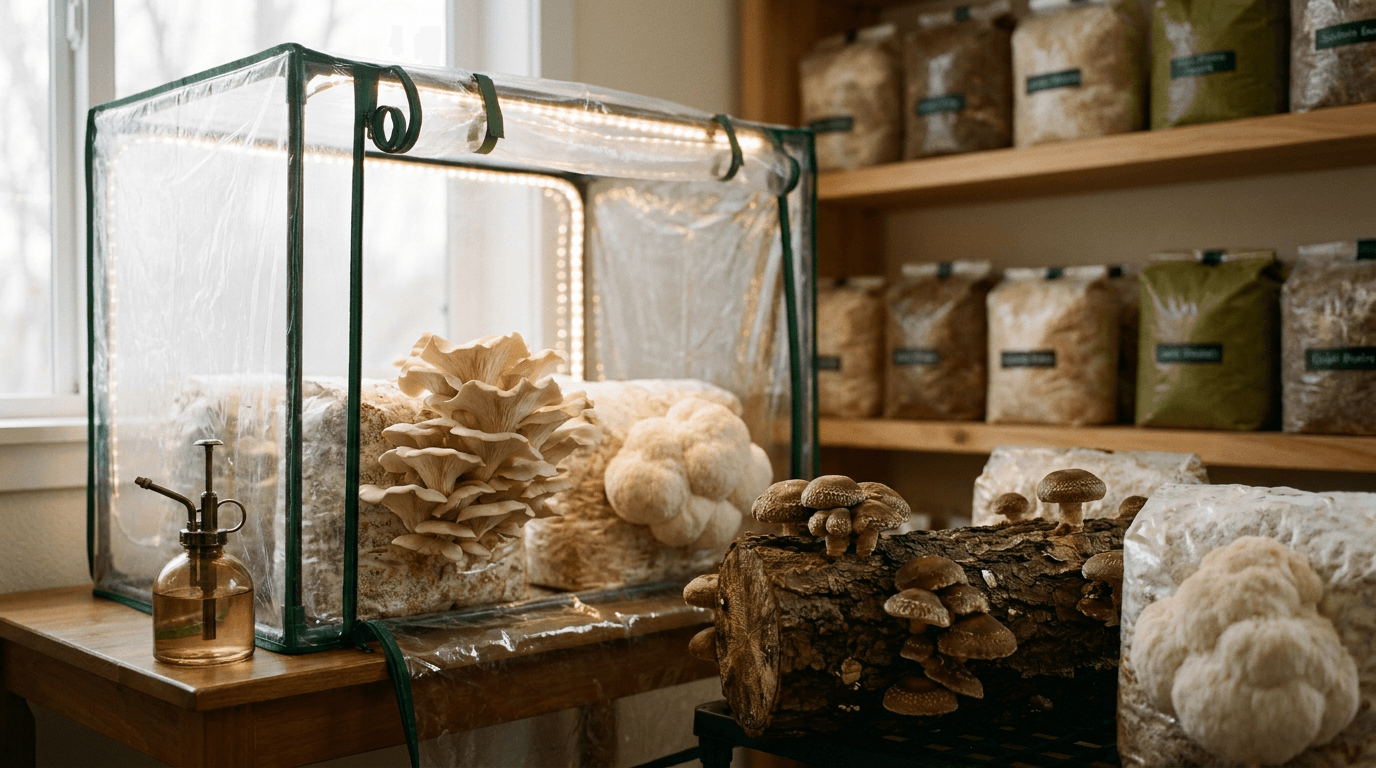
How to Grow Gourmet Mushrooms Indoors (Hydroponic Style)
Explore our comprehensive guide on How to Grow Gourmet Mushrooms Indoors (Hydroponic Style). Part of our technical series on specialized crop guides, this report covers everything you need to optimize your yield and maintain a healthy grow environment.
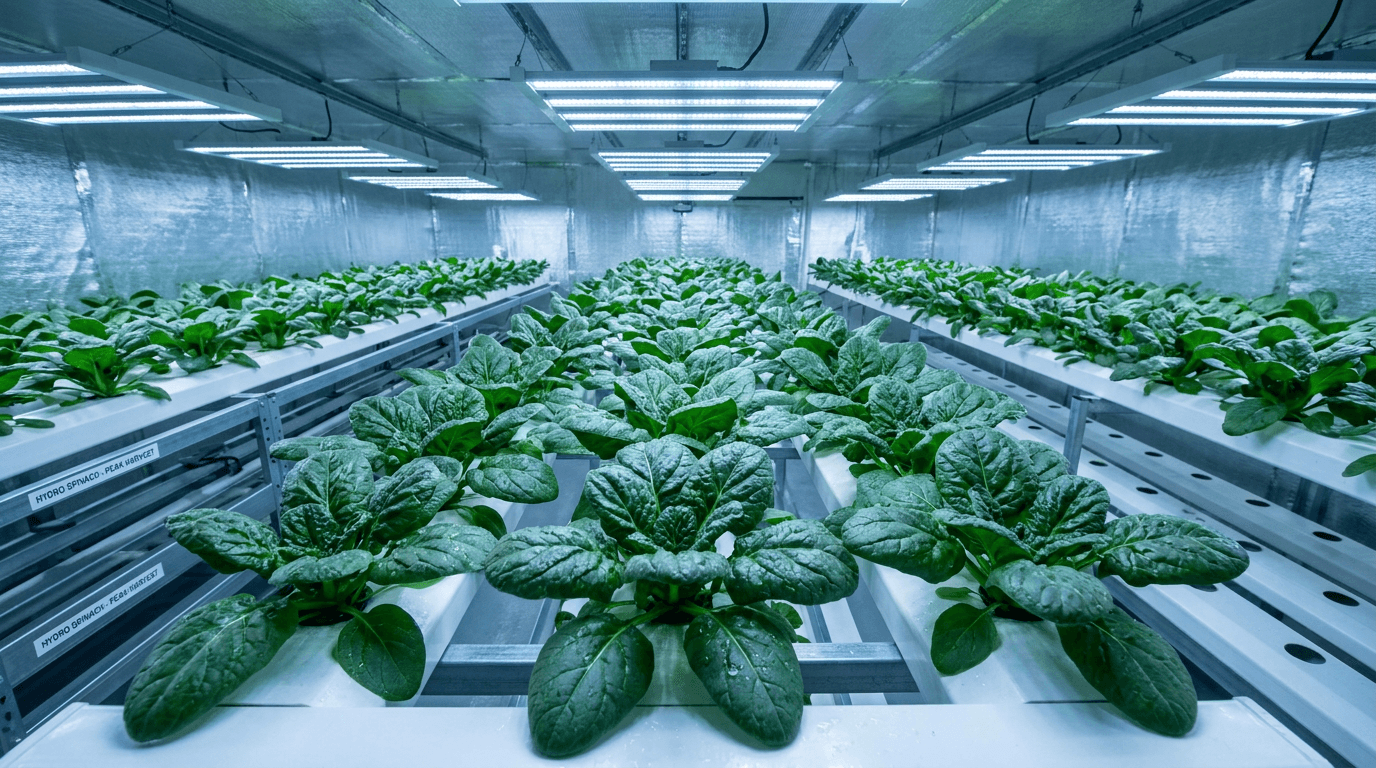
How to Grow Hydroponic Spinach Without Bolting
Complete guide to growing bolt-free hydroponic spinach indoors. Photoperiod management, variety selection, temperature control, nutrient strategy, and harvest techniques to keep spinach producing sweet leaves for months.
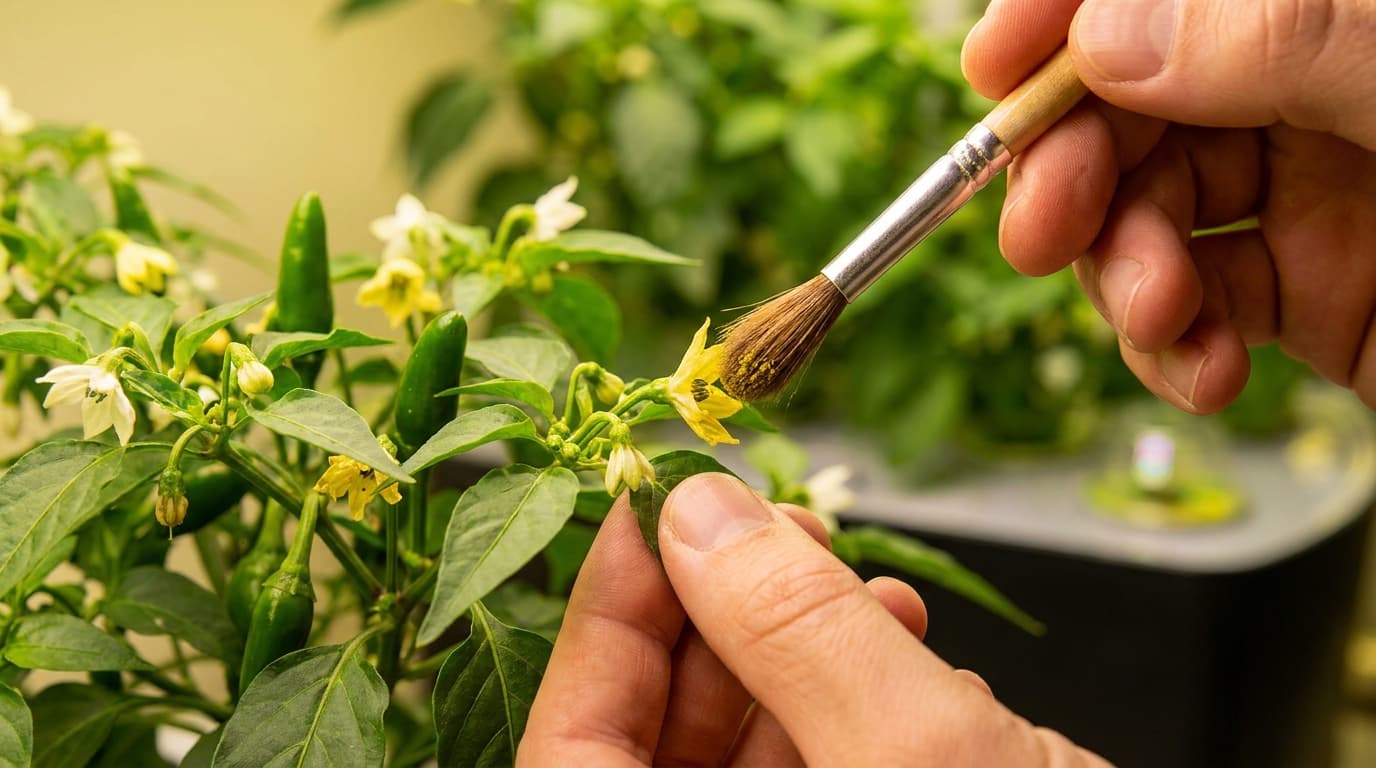
Pollinating Indoor Plants: Hand-Pollination Techniques
Complete guide to hand-pollinating indoor hydroponic crops. Electric toothbrush method for tomatoes and peppers, paintbrush technique for cucumbers and squash, cotton swab method for strawberries, plus troubleshooting low fruit set.