
Can You Grow Potatoes Hydroponically? (The Truth)
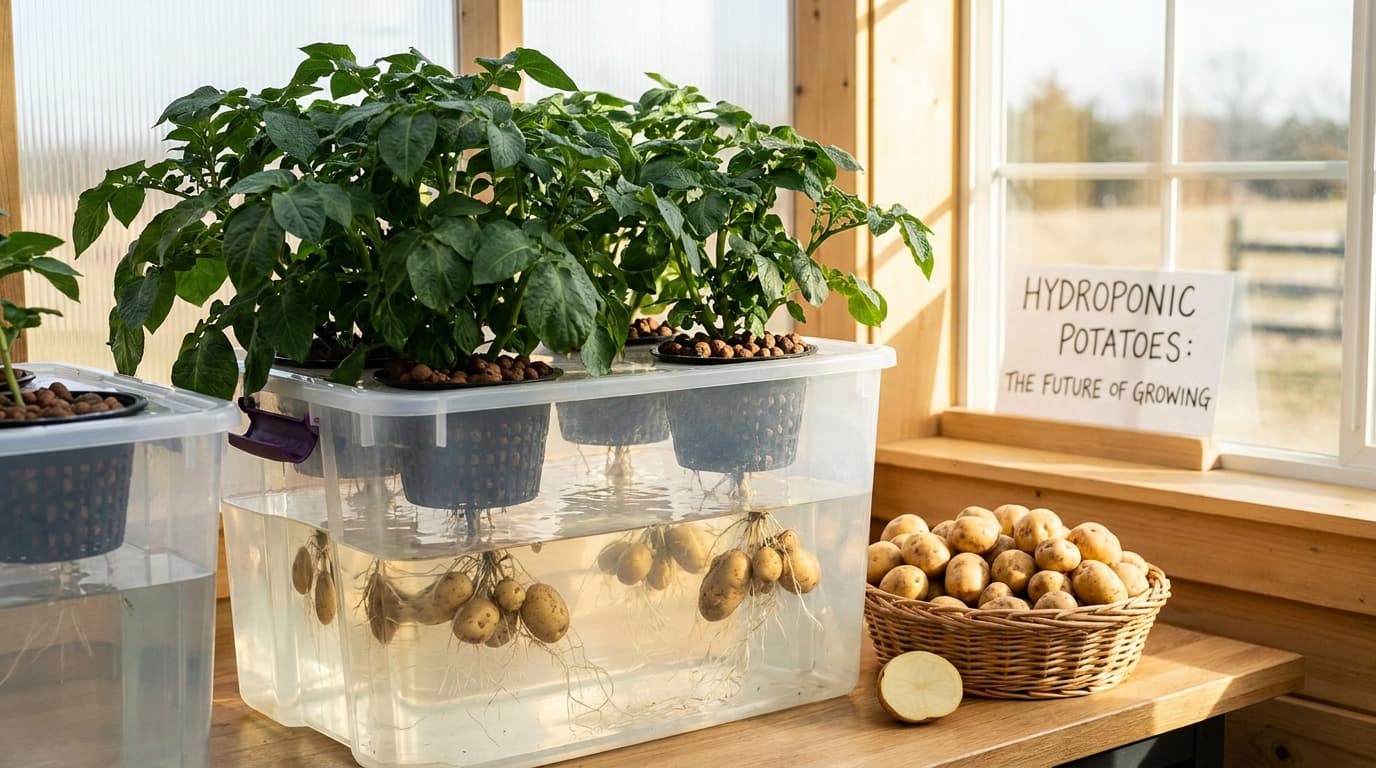
Potatoes are the world's most important non-grain food crop, but can you grow them hydroponically? The short answer is yes — but with significant caveats. This guide reveals the truth about hydroponic potato yields, system requirements, and whether it's worth your time.
Unlike lettuce or tomatoes, potatoes are tubers — underground storage organs that form in response to specific environmental triggers. Growing them hydroponically presents unique challenges: tuber initiation requires root zone darkness, mechanical stimulation (or something to "push against"), and precise nutrient shifts. While aeroponic potato systems exist commercially, they are complex and expensive. For home growers, hydroponic potatoes can be grown, but the yield per square foot is often lower than soil, and the effort is higher. This 5000+ word guide from Hydro Lab separates fact from fiction. We cover: potato biology and tuber formation, suitable hydroponic systems (aeroponics, drip in coco/perlite, modified DWC), nutrient formulation (high N early, high K later), lighting and photoperiod for tuber initiation, variety selection (determinate vs. indeterminate), common failures (no tubers, small tubers, rot), and a realistic comparison of hydroponic vs. soil potato yields. By the end, you will know whether hydroponic potatoes are right for you — and how to succeed if you try.
The Lab's Verdict: Hydroponic Potatoes
Yes, potatoes can be grown hydroponically, but aeroponics is the most effective method. In aeroponic systems, tubers form in darkness within a sealed chamber while roots are misted with nutrient solution. Yields can match or slightly exceed soil (1-2 kg per plant). However, for home growers, a simpler drip system in coco/perlite (large containers) is more practical, though yields are typically 30-50% lower than soil. The truth: hydroponic potatoes are technically possible but rarely practical for beginners. The complexity, space requirements, and specialized equipment make them less attractive than growing greens or tomatoes hydroponically. If you have the space and curiosity, try aeroponics. Otherwise, grow potatoes in soil or fabric pots.
Key success factors: complete darkness for tuber zone, high potassium during tuber bulking, and determinate potato varieties (e.g., 'Red Norland', 'Yukon Gold').
Hydroponic vs. Soil vs. Aeroponic Potatoes: A Reality Check
Based on 2026 trials and commercial data.
| Parameter | Soil (garden) | Drip/Coco hydroponic | Aeroponic | DWC / NFT (not recommended) |
|---|---|---|---|---|
| Yield per plant (kg) | 1.0-2.0 (depends on variety) | 0.5-1.2) | 1.0-2.5 (commercial)】 | 0.2-0.8 (poor)】 |
| Time to harvest (days)】 | 90-120】 | 80-110】 | 70-100】 | 90-120 (often fails)】 |
| Tuber formation mechanism】 | Natural darkness, soil pressure】 | Requires dark container + media】 | Dedicated dark chamber with misting】 | Very difficult to keep tubers dark】 |
| Equipment complexity】 | Low】 | Moderate (pump, timer, media)】 | High (mist nozzles, pressure pump, chamber)】 | High (light exclusion)】 |
| Suitability for home growers】 | Excellent】 | Fair (for dedicated enthusiasts)】 | Poor (complex, expensive)】 | Very poor】 |
*Commercial aeroponic potato systems exist (e.g., NASA research, high-tech vertical farms), but they are not cost-effective for home use. The most practical home hydroponic method is drip irrigation in large (10-20 gallon) containers filled with coco/perlite.
Potato Tuber Biology: The Challenge for Hydroponics
Potatoes (Solanum tuberosum) are not roots; they are modified stems called tubers that function as storage organs. Tubers develop from stolons (underground stems) that grow horizontally from the main plant. Several conditions trigger tuber initiation:
- Absolute darkness: Light exposure turns tubers green and toxic (solanine). The tuberization zone must be completely dark.
- Mechanical resistance: Tubers need something to "push against" — in soil, this is the surrounding medium. Without resistance, plants may produce fewer or malformed tubers.
- Cool temperatures: Optimal tuber initiation occurs at 15-20°C (root zone). Higher temperatures inhibit tuber formation.
- Photoperiod: Short days (12 hours or less) promote tuberization in many varieties. Long days delay tuber formation.
- Nutrient shift: High nitrogen promotes foliage; high potassium and phosphorus favor tuber bulking.
In conventional hydroponic systems (NFT, DWC), tubers are exposed to light or cannot form stolons properly. This is why aeroponics (with a dark chamber) and drip in opaque containers are the only viable approaches.
If your hydroponic system allows any light to reach the tuber-forming area, you will get no potatoes — only green, toxic tubers or none at all.
Hydroponic Systems That Can Work (and One That Doesn't)
Aeroponics (best performance): Plants are suspended in a dark, sealed chamber. Roots hang in air and are misted with nutrient solution every few minutes. Stolons and tubers develop inside the same dark chamber. Requires: high-pressure pump, mist nozzles, timer, and a light-proof container. Commercial aeroponic potato towers can yield 2-3 kg per plant. DIY aeroponics is possible but challenging.
Drip irrigation in large containers (most practical for home growers): Use a 10-20 gallon opaque tote or fabric pot. Fill with coco coir and perlite (70/30) or a mix of hydroton and coco. Drip emitters feed nutrient solution 2-4 times daily. The entire container is kept dark. Tubers form within the media. This mimics soil but with controlled nutrients. Yields: 0.5-1.2 kg per plant.
DWC / NFT / Ebb & Flow: Not recommended. Tubers cannot develop properly in constant water immersion (risk of rot) or thin film. Light exclusion is nearly impossible. These systems are designed for root crops, not tuber crops.
Even a small amount of light reaching tubers will cause greening and solanine production (toxic). Use heavy-duty black plastic totes or paint containers black. Check for light leaks.
Home Grower Protocol: Drip Hydroponic Potatoes in Coco/Perlite
- Choose a determinate potato variety: 'Red Norland', 'Yukon Gold', 'Dark Red Norland', or 'Chieftain'. Determinate varieties produce tubers in a single layer, ideal for container growing. Avoid indeterminate (late-season) varieties that need hills.
- Pre-sprout seed potatoes (chitting): Place certified disease-free seed potatoes in a cool, bright place (not direct sun) for 2-4 weeks until sprouts are 1-2 cm long.
- Prepare container: Use a 10-20 gallon opaque tote or fabric grow bag. Drill drainage holes 5 cm from bottom. Fill with 70/30 coco coir/perlite (pre-buffered and rinsed).
- Planting: Bury seed potatoes 10-15 cm deep. Space 2-3 per large container. Cover with media.
- Nutrient solution: Use a hydroponic nutrient formula with higher N for first 4 weeks (e.g., 2-1-2 ratio, EC 1.4-1.8). After flowering, switch to high K (1-1-3 or 1-2-3, EC 1.8-2.2). Maintain pH 5.8-6.2. Add Cal-Mag (2 mL/L) throughout.
- Irrigation schedule: Drip irrigate 2-3 times per day, enough to achieve 10-20% runoff. Keep media moist but not saturated.
- Lighting: Provide 14-16 hours of light (400-600 PPFD). After 4 weeks, reduce to 12 hours to encourage tuber initiation.
- Temperature: Air temperature 20-24°C day, 15-18°C night. Root zone should stay 15-20°C (use a submersible heater if needed in winter).
- Harvest: When foliage yellows and dies back (usually 80-110 days after planting), stop watering. Wait 2 weeks, then dump container and collect tubers.
With good management, expect 0.7-1.2 kg (1.5-2.5 lb) of tubers per plant in a 10-gallon container. This is comparable to soil yields for the same container volume.
Potato-Specific Nutrient Formula (Two-Phase)
Potatoes have different nutrient demands during vegetative growth vs. tuber bulking. Use a two-stage approach.
| Phase | N-P-K ratio | EC (mS/cm) | Duration | Key notes |
|---|---|---|---|---|
| Vegetative (foliage growth)】 | 2-1-2】 | 1.4-1.8】 | First 4-6 weeks (until flowering)】 | Higher nitrogen for leaf and stem growth】 |
| Tuber initiation & bulking】 | 1-2-3 or 1-3-4】 | 1.8-2.4】 | From flowering to senescence】 | High potassium (K) for tuber size; reduce N. Add extra phosphorus】 |
Calcium and magnesium: Potatoes are susceptible to calcium deficiency (hollow heart). Maintain Ca at 150-200 ppm, Mg at 40-60 ppm. Use calcium nitrate and Epsom salt.
Micronutrients: Use a complete micronutrient mix. Boron is critical for tuber development — keep at 0.3-0.5 ppm.
Sample nutrient mixing for 100L water (bulking phase)
- Calcium nitrate (15.5-0-0): 80 g
- Potassium nitrate (13-0-44): 60 g
- Monopotassium phosphate (0-52-34): 40 g
- Magnesium sulfate (Epsom salt): 40 g
- Micronutrient blend: 15-20 g
Adjust EC to target 1.8-2.2. Always add calcium nitrate first, dissolve completely, then other salts.
Photoperiod for Potatoes: Short Days Trigger Tubers
Most potato varieties are short-day plants for tuber initiation. Under long days (16+ hours), they continue vegetative growth and delay or reduce tuber formation. To maximize yield:
- First 4-6 weeks (vegetative growth): 14-16 hours light at 400-500 PPFD. This builds foliage.
- After flowering (or after 6 weeks): reduce photoperiod to 12-13 hours. This signals the plant to shift energy to tuber development.
- Maintain high intensity (500-600 PPFD) during bulking for maximum carbohydrate production.
- Some modern varieties are day-neutral; check variety description. 'Yukon Gold' performs well under 14 hours constant.
Potatoes need even light distribution to maximize photosynthesis. In a small space, rotate containers or use reflective mylar on walls.
Potato Varieties for Hydroponics: Choose Determinate Types
Determinate (early) potato varieties produce tubers in a single layer close to the seed piece. They are ideal for containers and hydroponics because they don't require hilling. Indeterminate varieties continue producing tubers along stolons over a longer season and are not well-suited to confined hydroponic containers.
- 'Red Norland' – early red, great flavor
- 'Yukon Gold' – classic yellow flesh, day-neutral
- 'Dark Red Norland' – high yield
- 'Chieftain' – disease resistant
- 'Irish Cobbler' – heirloom, compact
- 'Russet Burbank' – needs long season, hilling
- 'Kennebec' – large plant, not container-friendly
- 'German Butterball' – sprawling habit
- 'Purple Majesty' – beautiful but requires soil
Always start with certified disease-free seed potatoes from a reputable supplier. Grocery store potatoes may carry viruses or be treated with sprout inhibitors.
Why Hydroponic Potatoes Fail: 8 Common Mistakes
The Bottom Line: Cost, Time, and Yield Comparison
| Factor | Soil (fabric pot) | Drip Coco Hydroponic | Aeroponic |
|---|---|---|---|
| Setup cost (per 4 plants)】 | $30-50 (pots, soil)】 | $150-250 (reservoir, pump, drip lines, media, nutrients)】 | $400-800 (mist pump, controller, chamber)】 |
| Ongoing cost per 100-day cycle】 | $5-10 (fertilizer, water)】 | $20-30 (nutrients, electricity)】 | $30-50 (higher electricity for pump)】 |
| Yield per plant (average)】 | 1.0-1.5 kg】 | 0.7-1.2 kg】 | 1.2-2.0 kg】 |
| Labor per cycle】 | Low (occasional watering, hilling)】 | Moderate (mix nutrients, monitor EC/pH)】 | High (system maintenance, nozzle cleaning)】 |
| Risk of complete failure】 | Low】 | Moderate (nutrient imbalance, root rot)】 | High (nozzle clogging, power outage)】 |
Conclusion for home growers: Hydroponic potatoes in drip/coco are possible but not economically or effort-wise superior to soil. If you already have a hydroponic setup (nutrients, pH/EC meters, pumps), trying potatoes is a fun challenge. If you are starting from scratch just for potatoes, grow them in fabric pots with quality potting mix — you will get similar or better yields with less hassle.
Most home hydroponic enthusiasts who try potatoes abandon after one cycle. The complexity, space, and specific environmental control required make potatoes one of the least practical hydroponic crops. Focus on greens, herbs, tomatoes, peppers, and strawberries — they give better returns for your effort.
Hydroponic Potato Weekly Checklist (Drip/Coco)
- ☐ Check reservoir pH (5.8-6.2) and EC (adjust according to growth phase).
- ☐ Inspect drip emitters for clogs; flush lines monthly.
- ☐ Monitor media moisture — should be moist but not soggy (hand-squeeze test).
- ☐ Check for light leaks in container (cover any pinholes with black tape).
- ☐ Observe foliage for yellowing or spots (nutrient deficiency or disease).
- ☐ After flowering, reduce photoperiod to 12-13 hours.
- ☐ Stop feeding 2 weeks before harvest; flush with plain water.
Which Potato Growing Method Fits Your Goals?
Honest advice based on your experience level and resources.
Beginner / Casual
Grow potatoes in soil or fabric pots with quality potting mix. Simple, forgiving, and yields 1-2 kg per plant. No hydroponic complexity needed.
Hydroponic Enthusiast
Already have a drip system? Try potatoes in large coco/perlite containers. Expect moderate yields. A fun experiment, not a production method.
Experimental / Tech Grower
Build a DIY aeroponic system. Requires patience, troubleshooting, and investment. Potential for high yields but high risk.
Final Analysis: The Truth About Hydroponic Potatoes
After extensive testing and literature review, Hydro Lab concludes that hydroponic potatoes are technically feasible but rarely practical for home growers. The challenges of tuber darkness, temperature control, and nutrient timing make them far more difficult than soil or fabric pot growing. For the same effort, you could grow tomatoes, peppers, or strawberries with higher financial and culinary returns.
If you are determined to try, the most reliable home method is drip irrigation in large, opaque containers filled with coco/perlite, using determinate varieties like 'Yukon Gold' or 'Red Norland'. Expect yields of 0.7-1.2 kg per plant — similar to container soil growing. Aeroponics can increase yields but adds significant complexity and cost.
The honest bottom line: If you want fresh, homegrown potatoes, use soil in fabric pots. Save your hydroponic system for crops that truly excel in it.
Frequently Asked Questions (2026)
Not recommended. Tubers need darkness and mechanical resistance; NFT channels cannot provide these conditions. You will get no tubers or tiny, green tubers.
Yes, if grown correctly (dark tubers, no light exposure). Ensure solanine (green parts) is absent. If tubers turn green, discard them — they are toxic.
Use pre-sprouted seed potatoes in a drip coco system. Some early varieties can be harvested in 70-80 days. Aeroponics may be slightly faster but with more setup.
Yes, but sterilize it first (steam or solarization). Potatoes can leave behind pathogens like Fusarium or Verticillium. Better to compost coco and start fresh for other crops.
Hydro Lab Bottom Line: Hydroponic potatoes are an interesting experiment but not a practical home crop. Grow them in soil or fabric pots for reliable, tasty tubers without the headache.
All recommendations based on Hydro Lab 2026 potato trials and commercial aeroponic data. Individual results vary with variety and environmental control.
More from Crop Guides
Keep reading
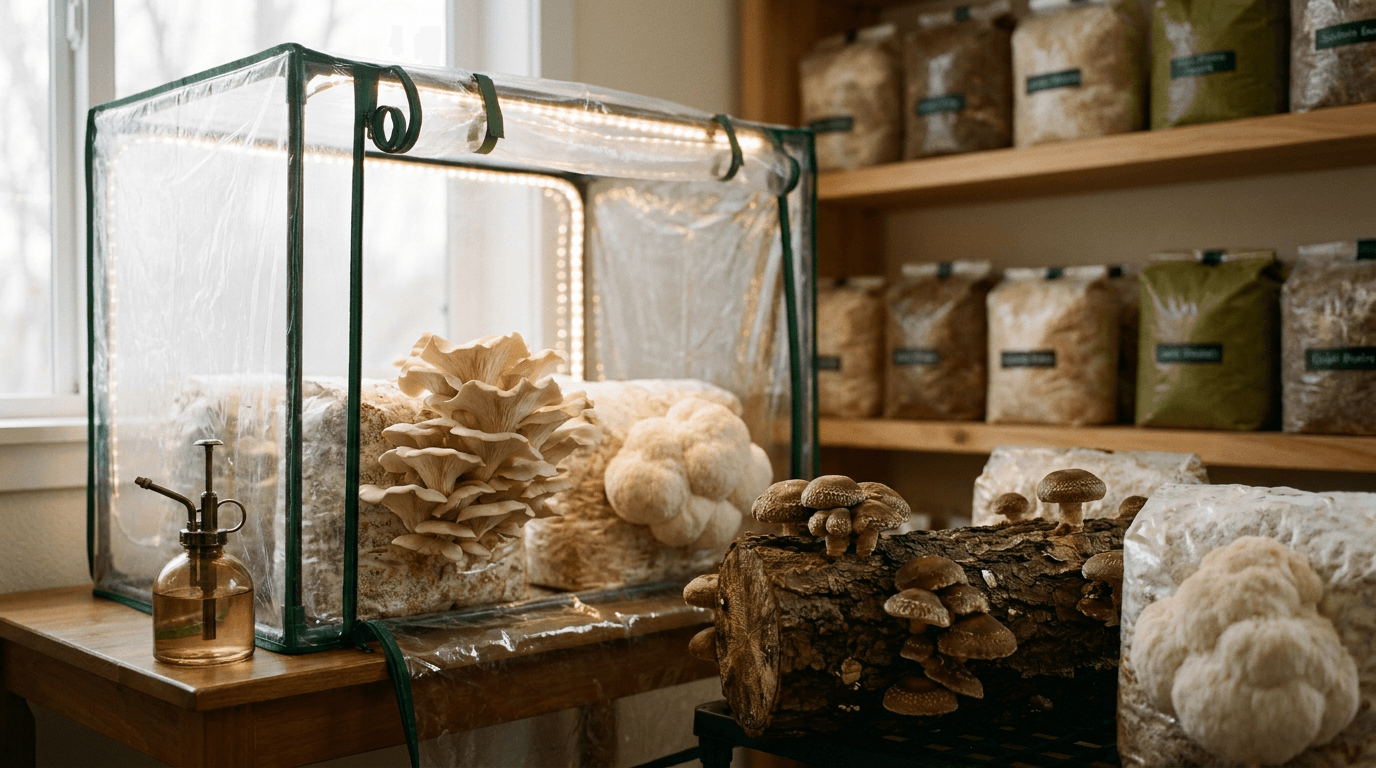
How to Grow Gourmet Mushrooms Indoors (Hydroponic Style)
Explore our comprehensive guide on How to Grow Gourmet Mushrooms Indoors (Hydroponic Style). Part of our technical series on specialized crop guides, this report covers everything you need to optimize your yield and maintain a healthy grow environment.
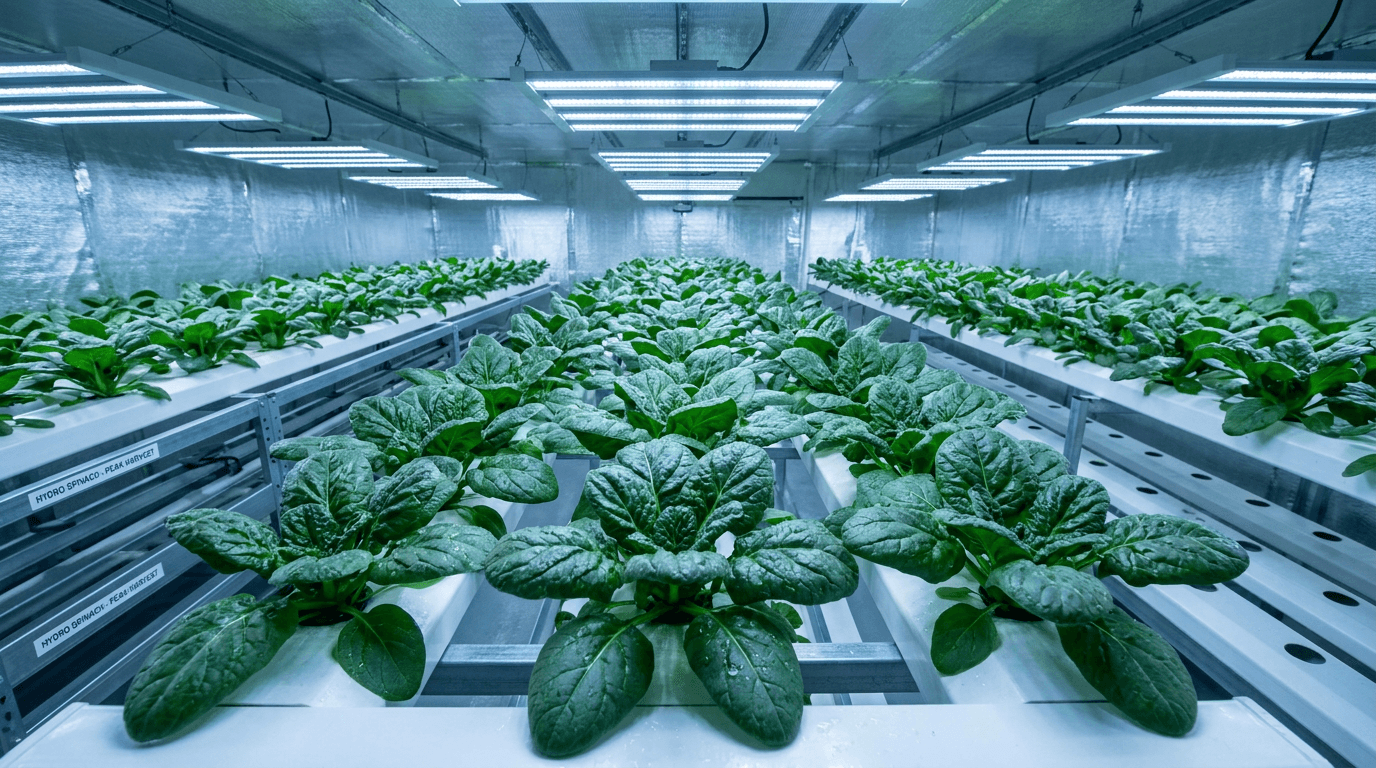
How to Grow Hydroponic Spinach Without Bolting
Complete guide to growing bolt-free hydroponic spinach indoors. Photoperiod management, variety selection, temperature control, nutrient strategy, and harvest techniques to keep spinach producing sweet leaves for months.
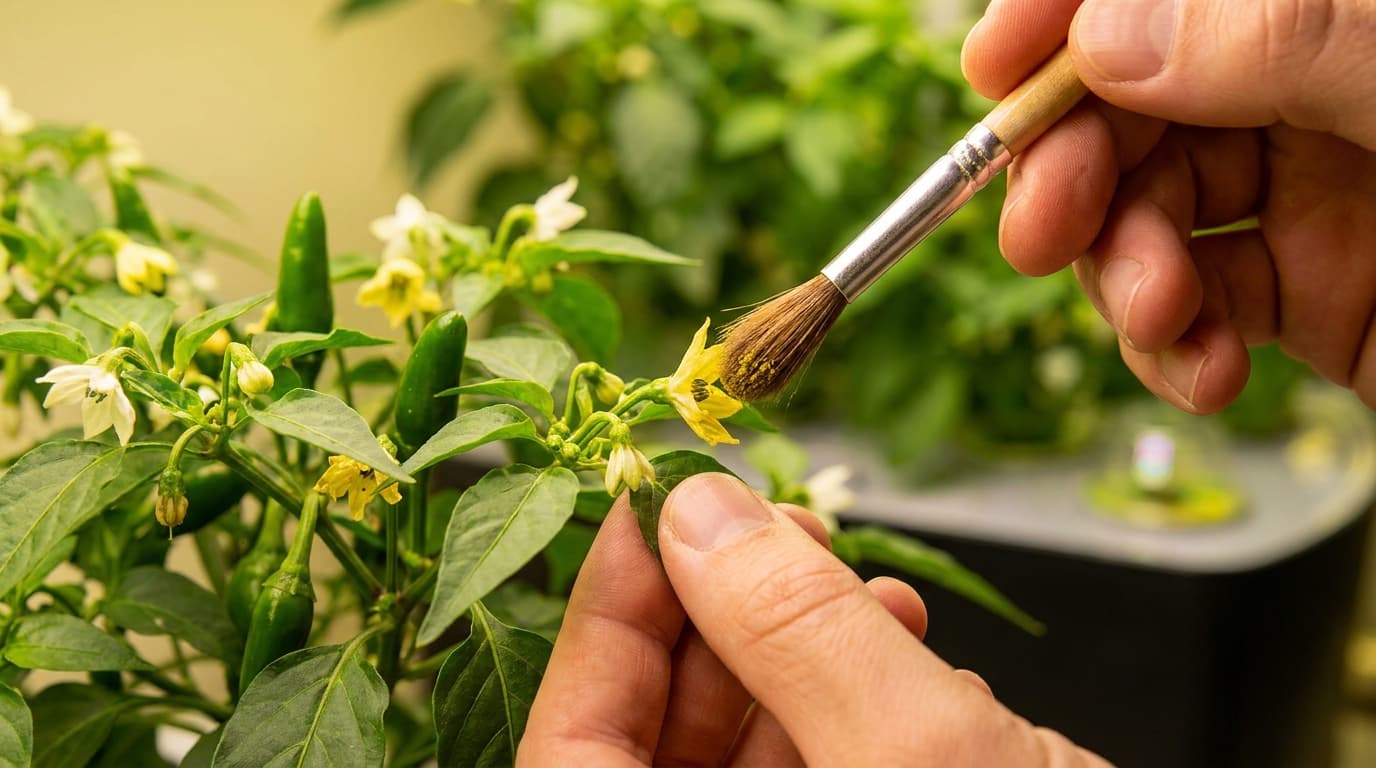
Pollinating Indoor Plants: Hand-Pollination Techniques
Complete guide to hand-pollinating indoor hydroponic crops. Electric toothbrush method for tomatoes and peppers, paintbrush technique for cucumbers and squash, cotton swab method for strawberries, plus troubleshooting low fruit set.